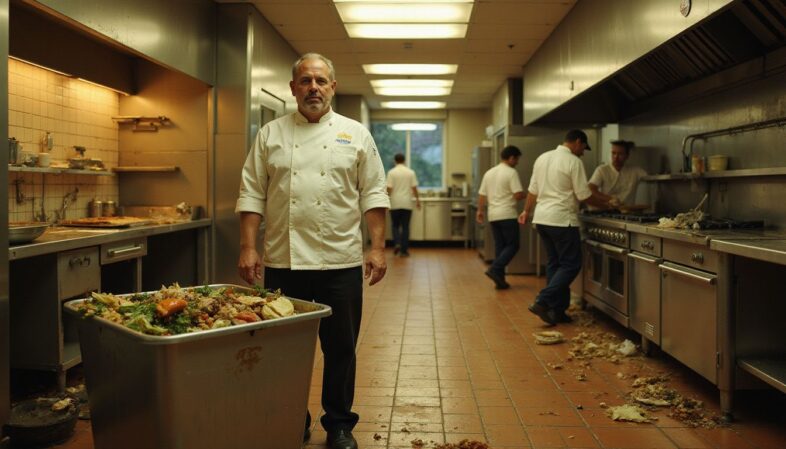
Have you ever watched the bins pile up behind your hotel kitchen and wondered where all that money is going?
Spoiled ingredients, plate scraps, and prep waste add up fast. And you pay steep fees to haul it all to the landfill.
Here’s a number that surprised me the first time I saw it: hotels across the United States generate about 20 million pounds of food waste every single day. The average hotel alone produces around 2,000 pounds daily.
Most of that organic material heads straight to landfills, where it breaks down and releases methane emissions that harm our climate. The good news? You have real options.
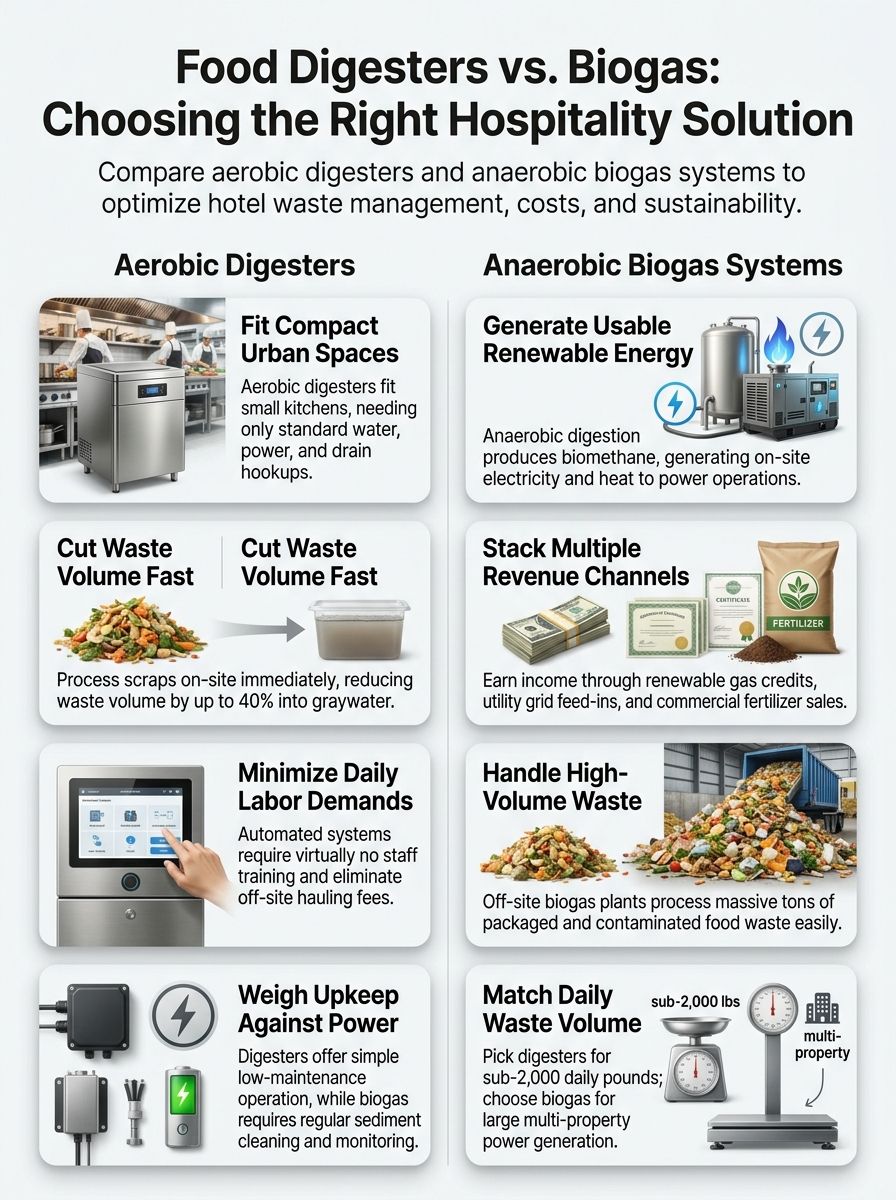
This guide compares two powerful solutions: on-site food digesters and biogas systems. We’ll look at how each one works, what it costs, and which fits your property best.
You’ll also learn about anaerobic digestion, renewable energy recovery, and waste management strategies that actually move the needle.
So grab a cup of coffee, and let’s walk through it together. By the end, you’ll know exactly which system can turn your food waste from a liability into an asset.

Overview of On-Site Food Digesters
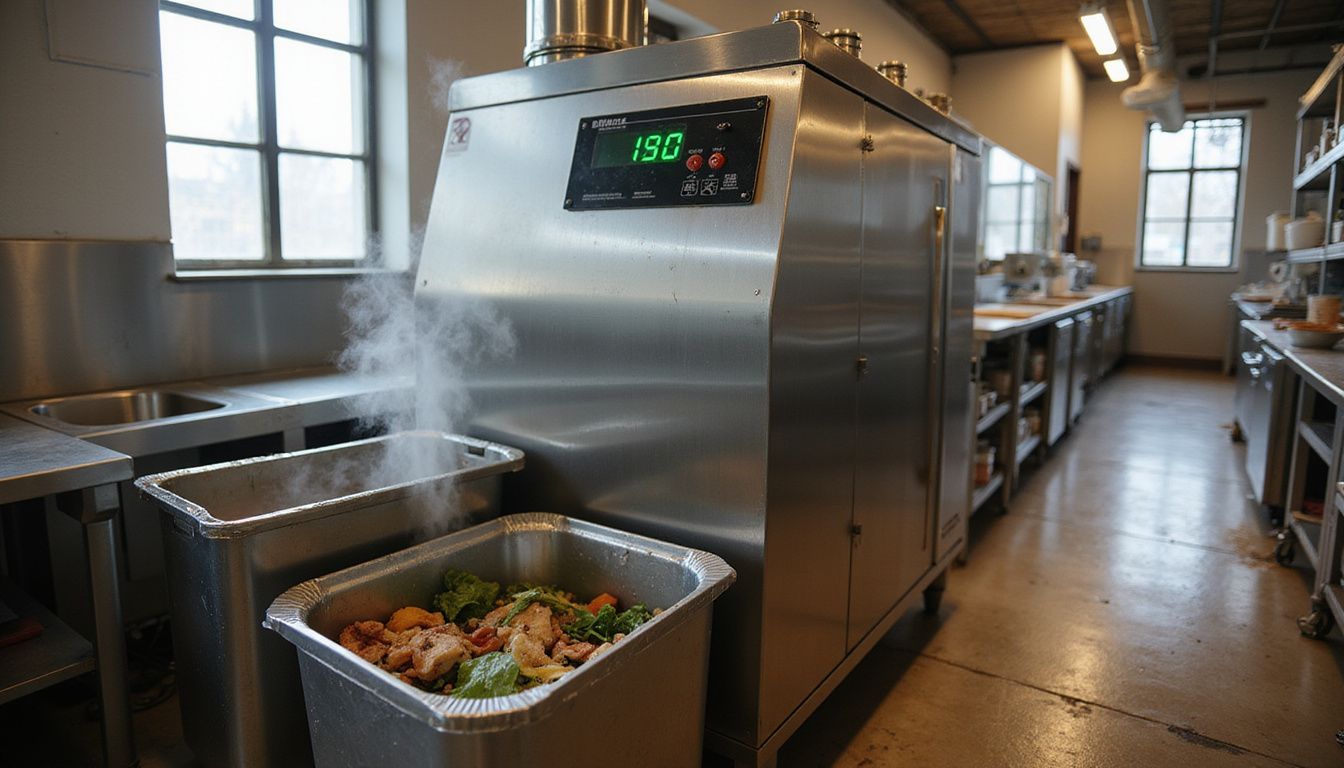
On-site food digesters break down organic waste right at your hotel or restaurant, turning scraps into something useful. These machines work fast and fit into tight spaces.
That makes them a great match for busy hospitality operations that want to cut their food waste disposal costs right away.
How On-Site Food Digesters Work
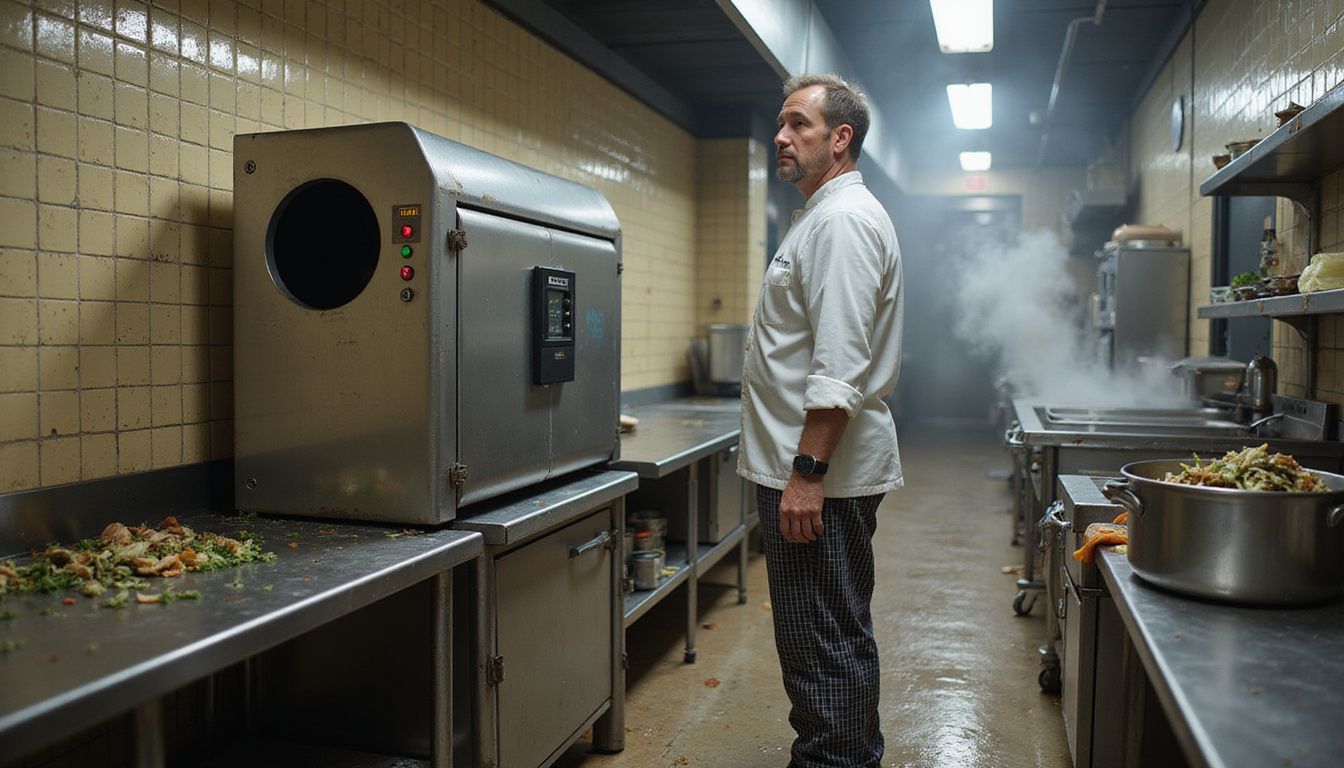
A food waste digester breaks down leftovers and scraps right inside your hotel using smart technology. It turns garbage into useful byproducts while cutting your disposal costs dramatically.
Here’s how the process plays out, step by step:
- Aerobic digesters use oxygen to process food waste. The system converts scraps into water and small amounts of CO2 through a natural breakdown process that runs automatically.
- The machine grinds food scraps into tiny pieces and mixes them with water. This creates a slurry that moves through the digestion chamber.
- Oxygen flows through the system nonstop, so bacteria can feast on the organic waste and multiply quickly in controlled conditions.
- According to Green Planet Reports, this process shrinks food waste volume by up to 40%. That means far less material heads to the landfill.
- Gray water exits through your standard plumbing once processing finishes. No special disposal methods or extra infrastructure needed.
- Installation needs only three things: water, power, and drainage connections. Most hotel kitchens already have all three.
The results are backed by real research. A US National Renewable Energy Laboratory study found that these digesters cut hotel food waste by 52% and lowered emissions by 36% when deployed properly.
They also run with very little smell. That low-odor operation makes them safe near guest areas, unlike traditional composting or food processing methods.
Two more perks are worth knowing:
- Hands-off operation: The machine runs itself, so your kitchen staff can focus on cooking instead of babysitting waste equipment.
- Useful digestate: The output contains nutrients that some facilities recover for agricultural use, creating a circular economy benefit beyond simple waste reduction.
Primary Applications in Hotels and Hospitality
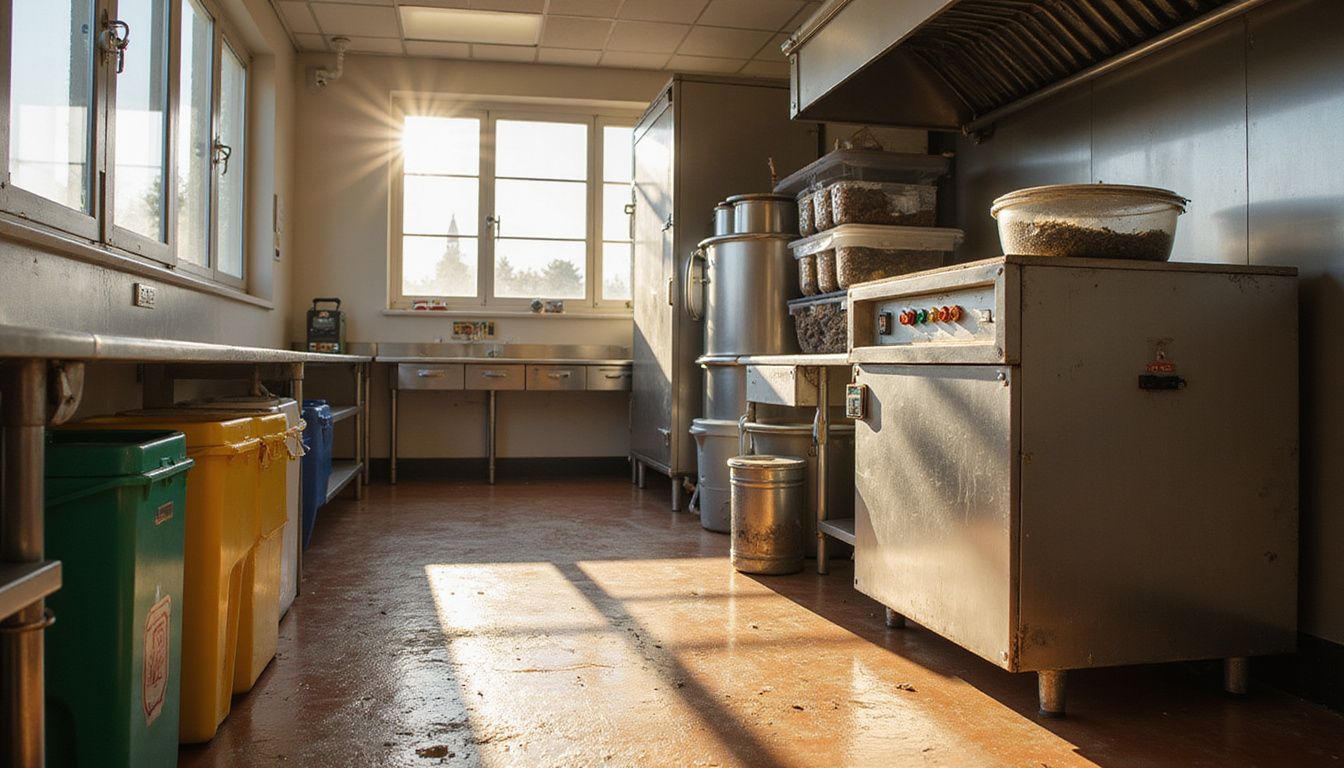
So where do hotels actually put these systems to work? Major hospitality properties across North America and Europe have embraced on-site food digesters that use aerobic or anaerobic digestion as a core part of daily operations.
Hotels know that managing food scraps on-site cuts waste disposal costs and removes the emissions tied to hauling garbage away. The H Dubai Hotel and Anantara Palm Dubai Resort have both installed on-site digesters to support their zero-waste initiatives, proof that luxury hospitality can run sustainably.
Urban hotels face a special challenge: space runs tight, and waste storage becomes a headache. On-site digesters solve this by shrinking the volume of food waste that needs storage or transport.
Hotels also set up waste diversion programs and composting facilities right on their grounds. That helps them earn green key certification and meet environmental compliance standards. And here’s a timely detail for US properties: according to Hotel Dive’s 2025 coverage of Green Key Global’s US expansion, the certification program formally launched for American hotels in 2025. That means the credential is now directly attainable at home, not just a European standard.
In a survey of 194 hoteliers across North America and Europe, respondents called on-site food waste recycling crucial for effective waste reduction. These systems support sustainability goals while trimming a hotel’s carbon footprint and operational costs.
On-site solutions transform how hotels manage their environmental impact, one meal at a time.
Overview of Biogas Systems
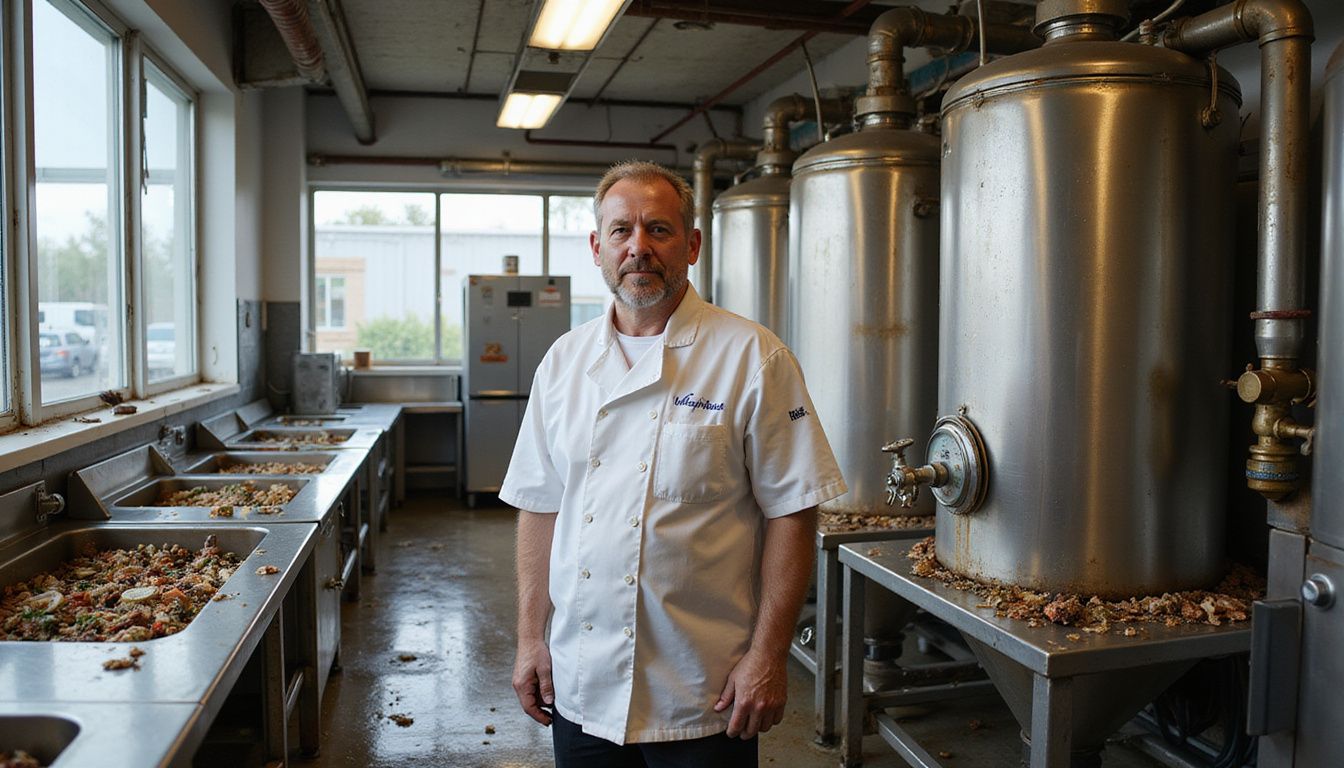
Biogas systems transform food waste into renewable natural gas and clean energy through anaerobic digestion. That’s a process where organic matter breaks down without oxygen.
Hotels and hospitality venues can use this technology to power their operations while making serious progress toward climate change and sustainability goals.
How Biogas Systems Function
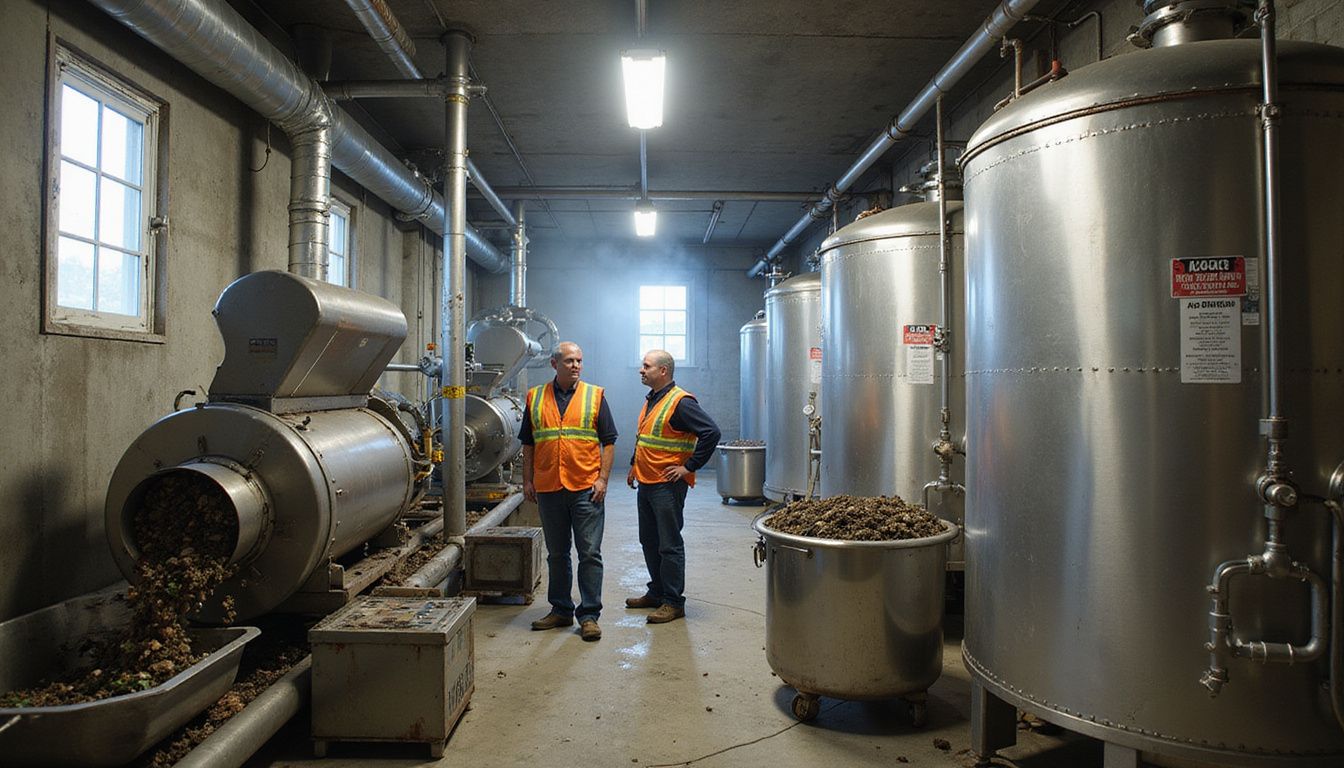
Biogas systems turn food waste into energy through a natural, biological process. Hotels and restaurants feed organic material into these systems, which then produce methane gas and other valuable byproducts.
- Organic waste enters an anaerobic digester, where microorganisms break down food scraps in oxygen-free conditions. This biological process, called anaerobic digestion, happens inside sealed tanks or reactors.
- Methane forms as the main product, making up roughly 60 to 70 percent of the biogas mixture. The rest is mostly carbon dioxide, which gets released into the atmosphere.
- Different reactor types handle different waste mixes. Facilities choose between CSTR, UASB, EGSB, or plug-flow systems, and your waste type determines which reactor works best.
- Temperature control matters a lot. Operators run either mesophilic conditions around 95 to 100 degrees Fahrenheit or thermophilic conditions between 122 to 131 degrees Fahrenheit. Higher heat speeds up digestion but uses more energy.
- Pre-processing equipment removes packaging, screens contaminants, and grinds mixed hotel waste before digestion begins. This step prevents equipment damage and improves gas production.
- Digestate, the nutrient-rich solid byproduct, holds commercial value for biogas plant operators and farmers. Companies like Vanguard Renewables and Weltec Biopower market this material as fertilizer.
Once the methane is captured, it gets purified into biomethane for fuel or injected directly into natural gas grids. This renewable natural gas reduces dependence on fossil fuels and supports climate goals.
Heat from digestion can also power Combined Heat and Power installations, squeezing even more energy out of the process. Facilities use that thermal energy for heating water or conditioning spaces.
One more technical detail worth knowing: the solids content of your feedstock decides the equipment. Material with more than 15 percent total solids requires high-solids anaerobic digestion, while wetter waste suits wet digestion systems.
Commercial operators like Power Knot and Ecorich offer scalable options for hospitality properties. The right choice depends on your property’s waste volume, composition, and sustainability goals.
Common Uses in the Hospitality Industry
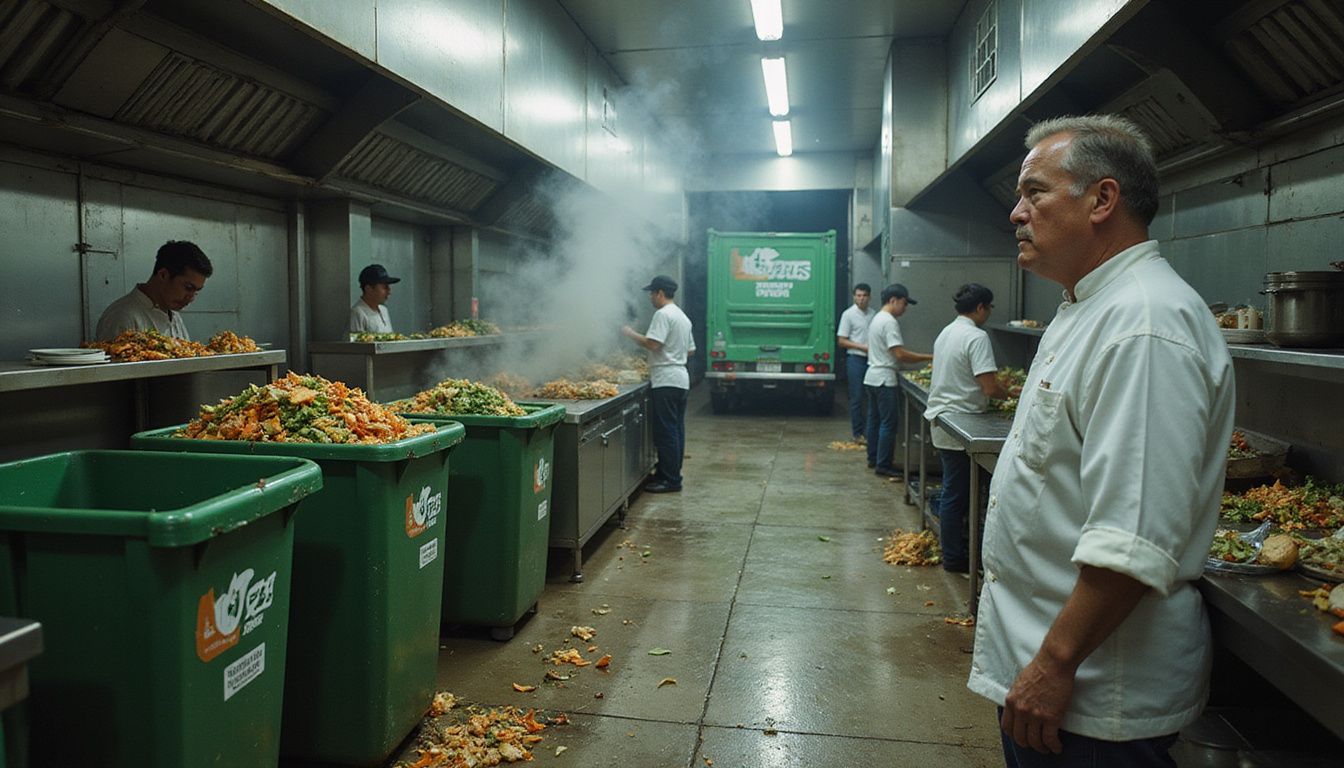
Hotels across California, New York, and Massachusetts have embraced off-site anaerobic digesters as their go-to solution for food waste removal. Large hospitality venues, from luxury resorts to mid-size properties, partner with waste collection companies that haul mixed food waste to centralized anaerobic digestion facilities.
The Anantara Palm Dubai Resort shows how major hospitality operations handle their organic waste streams. These partnerships let hotels skip the burden of managing waste on their own property while still contributing to renewable energy goals.
The American Biogas Council reports that hotels using biogas systems show real commitment to low-carbon fuel standards and renewable energy credit programs. And this network keeps growing fast. Per the American Biogas Council’s 2025 industry growth report, roughly 70 new US biogas projects came online in 2025, pushing the national total to nearly 2,600 facilities, with more than $2 billion invested that year alone. For you, that means finding a processing partner near your property keeps getting easier.
Hotels that send food waste to off-site biogas plants transform garbage into gold for their communities.
Hospitality properties use biogas systems to meet local food waste diversion mandates and strengthen their environmental, social, and governance reporting. The digestate from these anaerobic digestion facilities becomes fertilizer for local agriculture, creating a circular economy right in their backyard.
Hotels gain compliance advantages in states with strict regulations while their waste supports local energy grids or transportation fuel markets. Larger venues often pick off-site solutions because their waste volumes make centralized processing more practical and cost-effective.
Energy companies like Veolia Water Technologies and Biothane have built infrastructure that converts biogas into electricity, heat, or renewable natural gas for direct use. This approach lets hotels join sustainability initiatives without heavy on-site infrastructure or technical expertise.
Key Differences Between On-Site Food Digesters and Biogas Systems
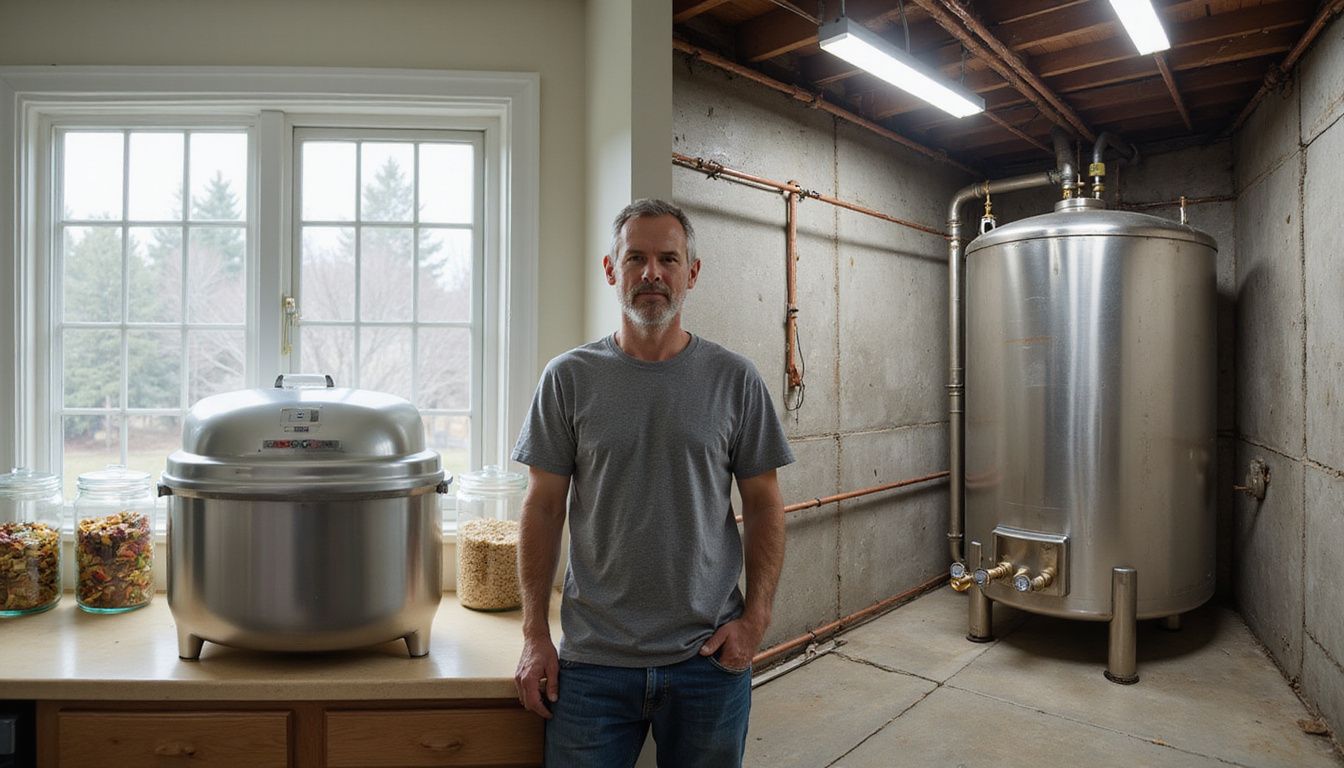
On-site food digesters and biogas systems take different paths to handle your kitchen waste. One shrinks your trash pile fast, while the other turns scraps into power for your building.
Installation and Setup Requirements
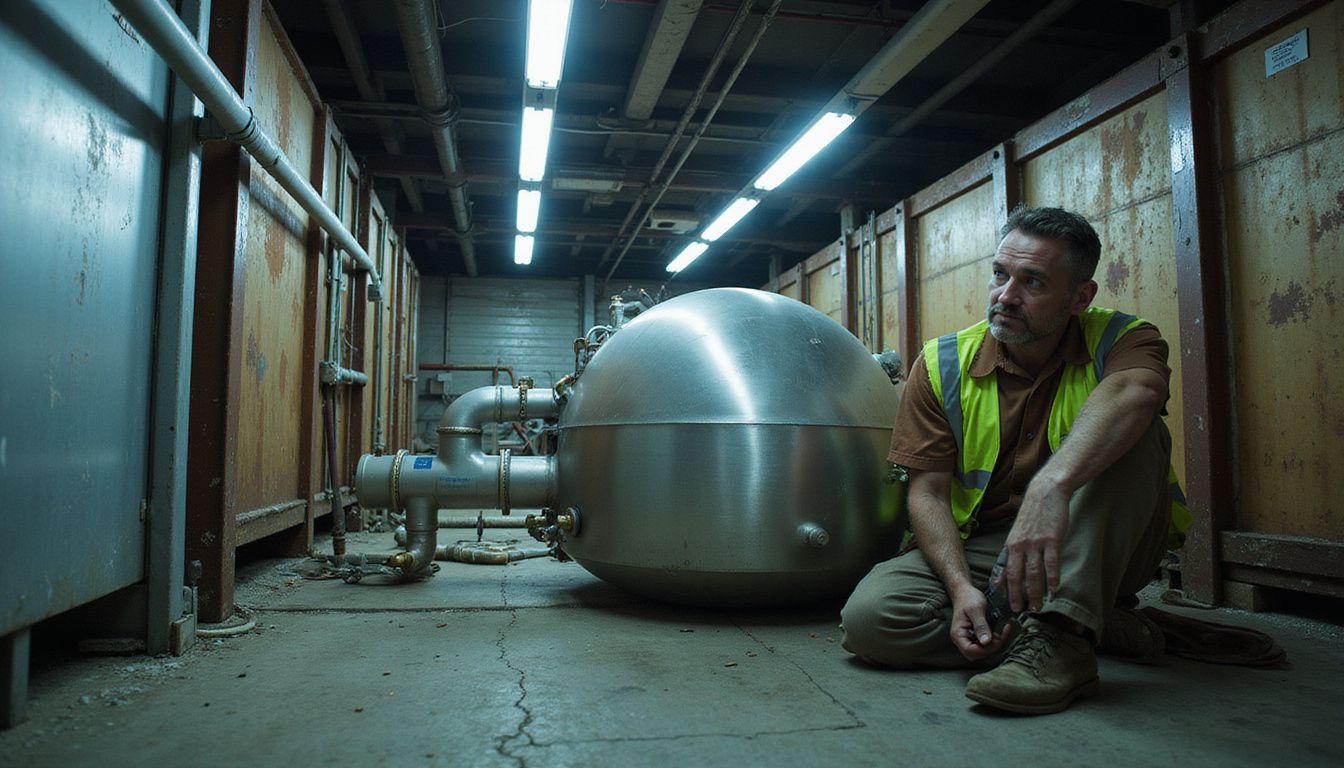
Getting your waste management system up and running looks very different depending on which technology you pick. Here’s what separates the two approaches from day one.
| Feature | Aerobic Digesters | Anaerobic Biogas Systems |
|---|---|---|
| Space Requirements | Compact units fit tight urban hotel environments. Minimal footprint needed for operation. Perfect for properties with limited square footage. | Significant land area required for digesters, tanks, and storage. Pre-processing equipment takes extra room. Digestate storage facilities demand extra space. |
| Basic Infrastructure | Water access is necessary. Power connection required. Drainage system must be available. Three simple utilities get the job done. | Pre-processing equipment like depackaging machines must be installed. Screening systems separate materials. Grinding equipment processes food waste. Multiple components add difficulty. |
| Permitting and Approvals | Minimal construction needed. Permits are straightforward. Quick approval timelines are typical. Installation happens fast without red tape. | Building permits take time. Utility interconnection agreements are required. Grid energy sales require separate approvals. RNG upgrading equipment needs its own permits. Discharge regulations demand compliance reviews. Land application permits cover digestate handling. |
| Installation Timeline | Operational in weeks, not months. Setup is quick and simple. Minimal construction disrupts daily operations lightly. | Installation spans several months. Complex infrastructure takes time. Modular biogas systems from manufacturers like Weltec or EnviTec offer flexibility but still require longer setup periods. |
| Interconnection Requirements | None needed. System operates independently. No grid connections required. | Grid interconnection agreements necessary for selling energy. Pipeline injection requires RNG upgrading equipment. Utility company coordination adds steps. External agreements extend timelines. |
| Digestate Management Setup | Minimal handling required. Output volume stays small. Storage needs are limited. | Digestate handling infrastructure must be planned. Storage facilities need installation. Land application permits cover disposal methods. Extra systems increase capital costs. |
| Operational Readiness | Ready to process food waste immediately. Staff training takes minimal time. Standard hotel procedures apply. Deployment happens without delay. | Pre-processing equipment requires operator training. Digestate management demands staff expertise. System monitoring takes technical knowledge. Staff preparation extends startup timelines. |
The short version? Aerobic digesters get you running fast because they only need water, power, and drainage. Biogas systems need pre-processing equipment, screening machines, and grinding technology before waste even enters the main digester.
Your location matters too. Urban properties often lean toward digesters since space is tight, while biogas facilities need building permits, utility connections, and compliance with discharge regulations that slow down launch dates.
Modular biogas systems from companies like Weltec and EnviTec offer lower long-term risk and flexibility for changing production volumes. But they still take more setup work than digesters, and if you want to sell energy to the grid or upgrade biogas into renewable natural gas, interconnection agreements add another layer of planning, along with digestate storage and land application permits.
Energy Production Capabilities
Once you’ve cleared the installation hurdles, the real payoff shows up on your energy bills. And here the two systems could not be more different.
| Energy Production Factor | On-Site Aerobic Digesters | Biogas Systems (Anaerobic Digesters) |
|---|---|---|
| Energy Output | Zero electricity generation. Systems reduce food waste to gray water only. | Converts food waste into biogas for power and heat production. Can generate substantial electricity for hotel operations. |
| Biogas Conversion Process | No biogas produced. Aerobic breakdown occurs without methane capture. | Anaerobic digestion breaks down organic matter, producing methane-rich biogas. Output depends on feedstock type and reactor design. |
| Renewable Natural Gas (RNG) | Not applicable. No gas production means no RNG opportunity. | Biogas can be purified into RNG for fuel use or injection into natural gas grids. RNG costs range from $8.60 to $51.20 per MMBTU. |
| Combined Heat and Power (CHP) | Cannot be utilized. No energy output to harness. | CHP installations capture heat produced during digestion. Hotels use this thermal energy for space heating, hot water, and cooking operations. |
| Revenue Streams | Limited to tipping fee savings from reduced waste disposal costs. | Multiple income sources available; tipping fees, RNG credits, and D3 RINs stack together. Energy sales to the grid create new revenue channels. |
| Reactor Types Affecting Output | Single-stage aerobic system with fixed performance characteristics. | Reactor selection matters greatly; CSTR, UASB, EGSB, and HSAD systems each produce different biogas volumes based on feedstock characterization. |
| Bill Impact | Reduces waste management expenses only. Does not offset energy costs. | Directly reduces energy bills through on-site power generation. Excess electricity sells back to utilities for additional income. |
Biogas systems generate real kilowatts and thermal energy your hotel can actually use. Your kitchen equipment could run on electricity produced from yesterday’s leftover food scraps.
Aerobic digesters, by contrast, simply turn waste into water without any spark of electricity. One system pays you back through energy savings and grid sales; the other just saves you from disposal fees.
Your choice comes down to a simple question: do you want waste reduction alone, or power generation included?
Maintenance and Operational Costs
Energy production sounds great on paper. The real story unfolds when you look at what it takes to keep these systems running month after month, year after year.
| System Type | Maintenance Requirements | Labor Costs | Operational Expenses | Other Considerations |
|---|---|---|---|---|
| On-Site Food Digesters | Minimal upkeep needed. Aerobic digesters run automatically with low maintenance demands. | Virtually no labor expenses. Staff don’t need special training for operation. | Lower overall costs. No waste transport required, which saves money on hauling. | Cost effective for most hotels. Costs stay predictable throughout the year. |
| Biogas Systems | Regular cleaning is essential. Sediment builds up over time and reduces gas output. Traditional cleaning requires confined space entry, creating serious safety risks. | Ongoing support staff needed. Monitoring, cleaning, and equipment servicing demand trained personnel. | Sediment removal and digestate disposal costs $20 to $30 per ton. A single conventional cleaning cycle can cost up to $200,000 in lost revenue. | Bristola’s robotic cleaning technology prevents downtime and eliminates confined space entry hazards, protecting your team while maintaining gas yield. |
On-site digesters keep your budget lean because they run with almost no labor involvement. Your team simply feeds the system and lets it work. No special training, no overtime, no surprise repair bills that make accountants nervous.
Biogas systems demand constant attention. Think of them like a needy houseguest who needs monitoring, servicing, and regular cleaning to stay functional. Sediment buildup cuts into gas production, so cleaning becomes mandatory, and the traditional process shuts down your entire operation. Hotels often lose $200,000 or more per cleaning cycle while the system sits offline.
Safety plays a major role in biogas costs too. Workers face real dangers entering enclosed digesters, insurance premiums can climb, and legal risks grow if something goes wrong. Bristola’s robotic cleaning technology changes that picture: it cleans without shutting down operations, which means zero lost revenue and no confined space entry hazards.
Then there’s digestate disposal, which adds another line item at $20 to $30 per ton depending on your location and volume. On-site digesters skip these complications altogether, keeping your facility cleaner, your staff safer, and your bottom line stronger.
Benefits of On-Site Food Digesters for Hotels
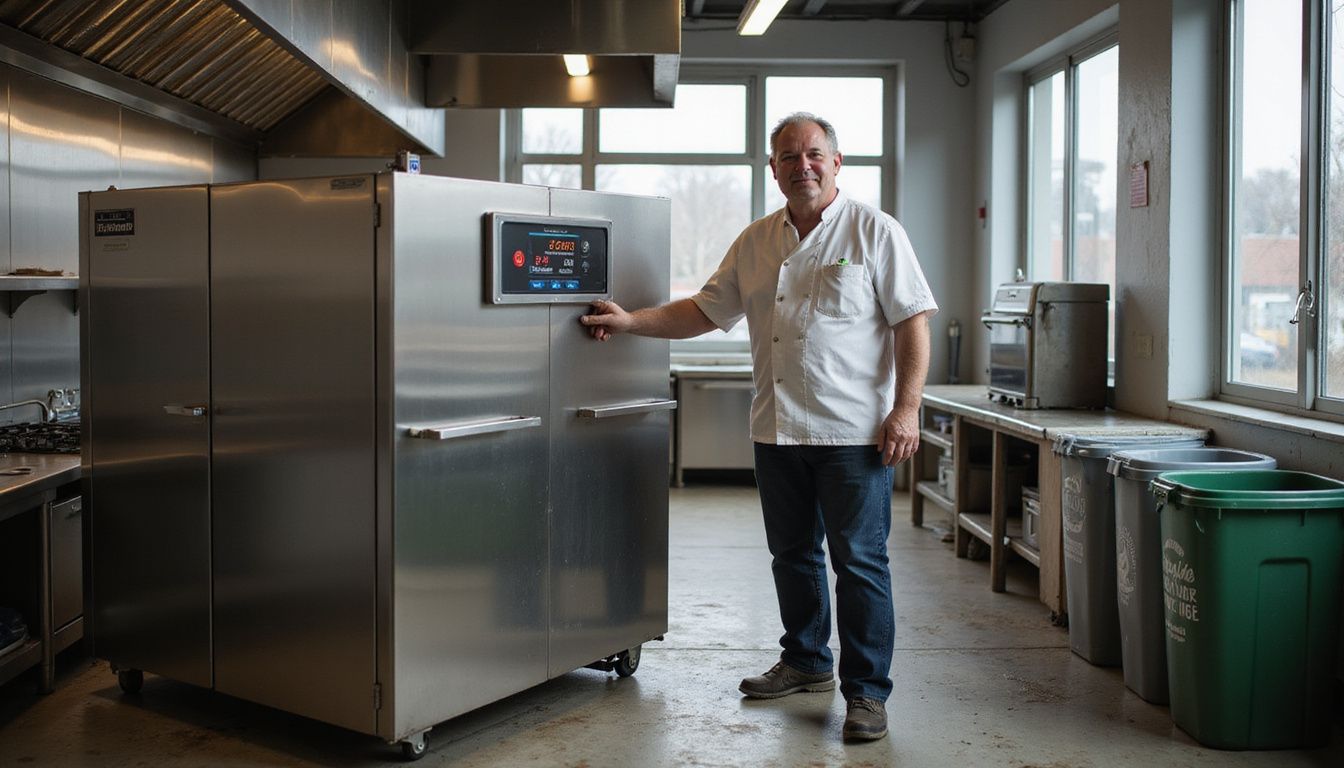
On-site food digesters turn your kitchen scraps into a solution that cuts waste disposal costs faster than you can say “sustainability.” Hotels using systems like the LFC biodigester watch their garbage bills shrink while their environmental impact does the same.
Reduced Food Waste Disposal Costs

Hotels face big bills from landfill disposal fees every single month. Third-party waste haulers charge tipping fees that fluctuate without warning, leaving your budget in limbo.
And those fees keep climbing. According to the Environmental Research & Education Foundation’s 2024 tipping fee analysis, the national average landfill tipping fee reached $62.28 per ton in 2024, a 10% jump from 2023 and the biggest single-year increase since 2022. Hotels in the Northeast pay even more at $80.67 per ton on average, while the Pacific region averages $72.88 per ton. That’s the real baseline you’re paying before you switch systems.
On-site food digesters change this entirely. Your property processes waste internally, so you skip those expensive external waste collection companies and the off-site transport costs that pile up fast. The result is a fixed, predictable cost structure instead of the variable expenses that keep finance managers up at night.
Here’s what disappears when you process waste on-site:
- Variable tipping fees charged by external waste haulers
- Off-site transport and hauling charges
- Exposure to unpredictable rate increases from waste management companies
- Month-after-month landfill costs that quietly drain your budget
Organizations like Koshish Sustainable Solutions Pvt. Ltd. have shown that hotels achieve real cost savings through on-site waste reduction and recycling programs. Those savings are money you can reinvest into other sustainability initiatives or straight back into your bottom line.
The excess food opportunities map shows that many properties waste resources they could capture instead. Hotels that run zero-waste policies supported by on-site digesters see food waste management expenses drop dramatically, and that financial predictability makes budget planning much less stressful.
Compact and Space-Saving Design
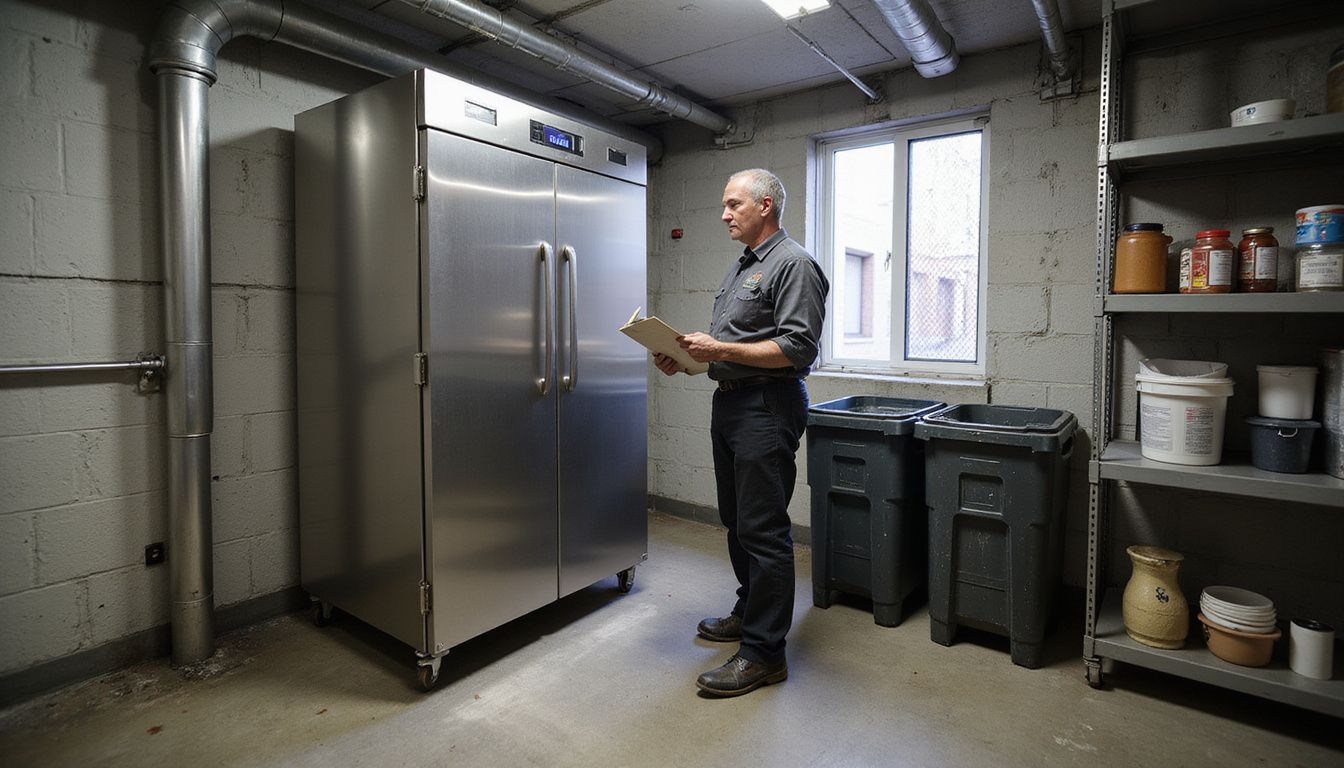
On-site food digesters fit into tight spaces that large biogas systems simply cannot reach. These compact machines work in kitchens, basements, or service areas without forcing hotels to tear down walls or relocate operations.
Small and mid-sized properties benefit most from this advantage, since they often lack sprawling outdoor areas for waste infrastructure. The small footprint means your staff keeps working while the digester processes food scraps nearby.
Urban hotels with limited storage space find these systems especially valuable. They run quietly near food service areas without disrupting guest experiences, and installation needs only basic utilities, so you avoid expensive renovations. Aerobic digesters shine at properties where outdoor waste storage just is not practical, which makes them a smart pick for city center locations.
Space constraints should never stop a hotel from managing waste responsibly.
Large-scale biogas systems demand serious land and infrastructure investment, but on-site digesters change that equation. Your property gets immediate waste reduction without massive equipment installations, and everything keeps running while guests enjoy their stays.
Maintenance happens in compact areas too, which makes it easier for your team to monitor and service the equipment. Often, the difference between struggling with waste disposal and solving it elegantly comes down to choosing equipment that fits your actual space, not the other way around.
Immediate Waste Reduction Impact
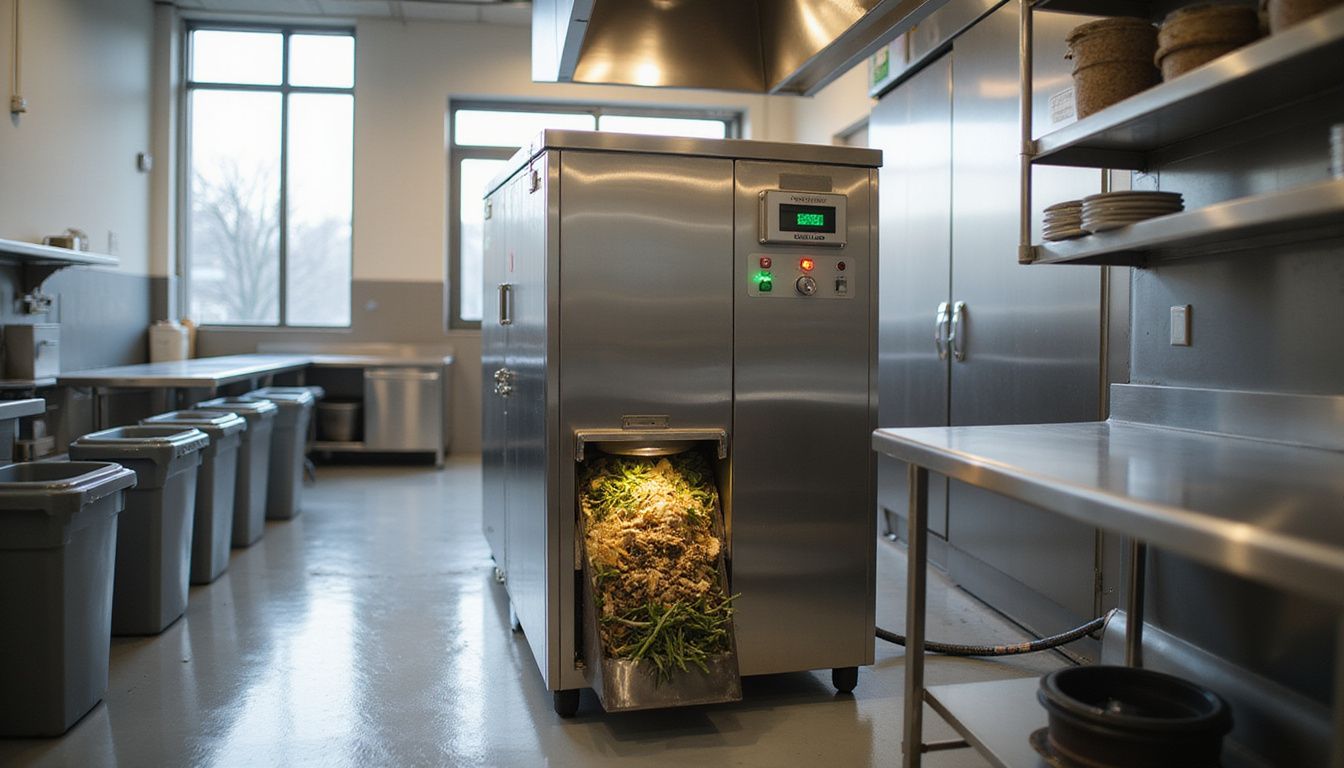
Food digesters turn your hotel’s waste problem into a daily victory. Your kitchen staff drops food scraps into the digester, the system processes them in real time, and gray water flows safely away.
Hotels see visible reductions in waste output almost immediately, which gives your sustainability reporting a real boost. Odor and pest issues fade because the digester clears stored waste daily, not weekly or monthly. Your guests notice cleaner, fresher service areas, and that matters for satisfaction.
Fast waste processing also helps your property comply with municipal waste diversion mandates, protecting you from penalties. Staff spend less time managing garbage and more time serving guests, and since waste never sits around waiting for pickup, regulatory headaches shrink too.
Want to see what this looks like in practice? Here’s a real-world pilot:
- A 220-room urban hotel that sent all kitchen scraps to landfill ran a 90-day aerobic digester trial. Incoming food waste averaged 1,800 pounds per day.
- After installation, landfill-bound waste dropped by 57 percent, falling to just 774 pounds daily.
- Monthly hauling costs fell from $4,200 to $1,800, creating pilot-period savings of $7,800.
- Staff time spent managing waste dropped from 12 hours per week to only 3, with zero odor complaints during the entire trial.
The pilot delivered immediate volume reductions and predictable monthly savings, so the system paid for itself faster than expected.
Data collection projects from organizations like the Food and Agriculture Organization show that properties using anaerobic digestion systems cut their greenhouse gases significantly. Visible sustainability efforts like these build guest loyalty and strengthen your brand in a competitive market.
Benefits of Biogas Systems for Hospitality

Biogas systems turn your food scraps into real energy, slash your carbon footprint, and help your hotel hit the sustainability targets guests actually care about. Keep reading to see how this works in real kitchens.
Energy Generation from Food Waste
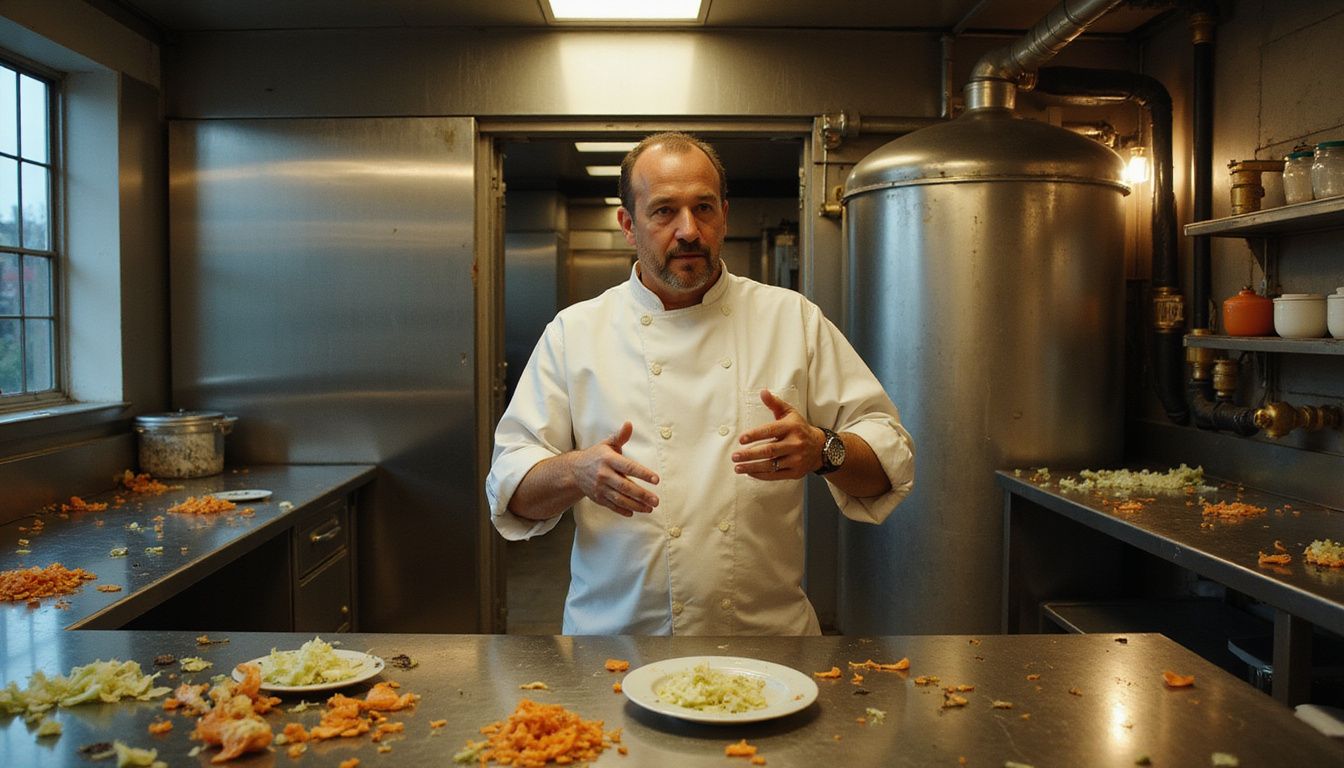
Your hotel’s kitchen waste can become a power plant. Anaerobic digestion breaks down food scraps and produces biogas, mostly methane, which generates electricity and heat for your property.
This process transforms what you’d normally throw away into real energy recovery that cuts your utility bills. Hotels using these systems report meaningful drops in operating costs, and some even sell excess power back to the grid for extra income.
The math works in your favor here. Renewable natural gas made from food waste costs between $8.60 and $51.20 per MMBTU, keeping it competitive with traditional energy sources. Combined Heat and Power systems boost your returns further by capturing both the electricity and the heat from the biogas.
Organizations like Anaergia and Envitec Biogas have proven this technology at scale in hospitality settings. Your guests enjoy their meals while your digesters work behind the scenes, turning leftovers into operational savings and renewable energy credentials that impress stakeholders.
Contribution to Renewable Energy Goals
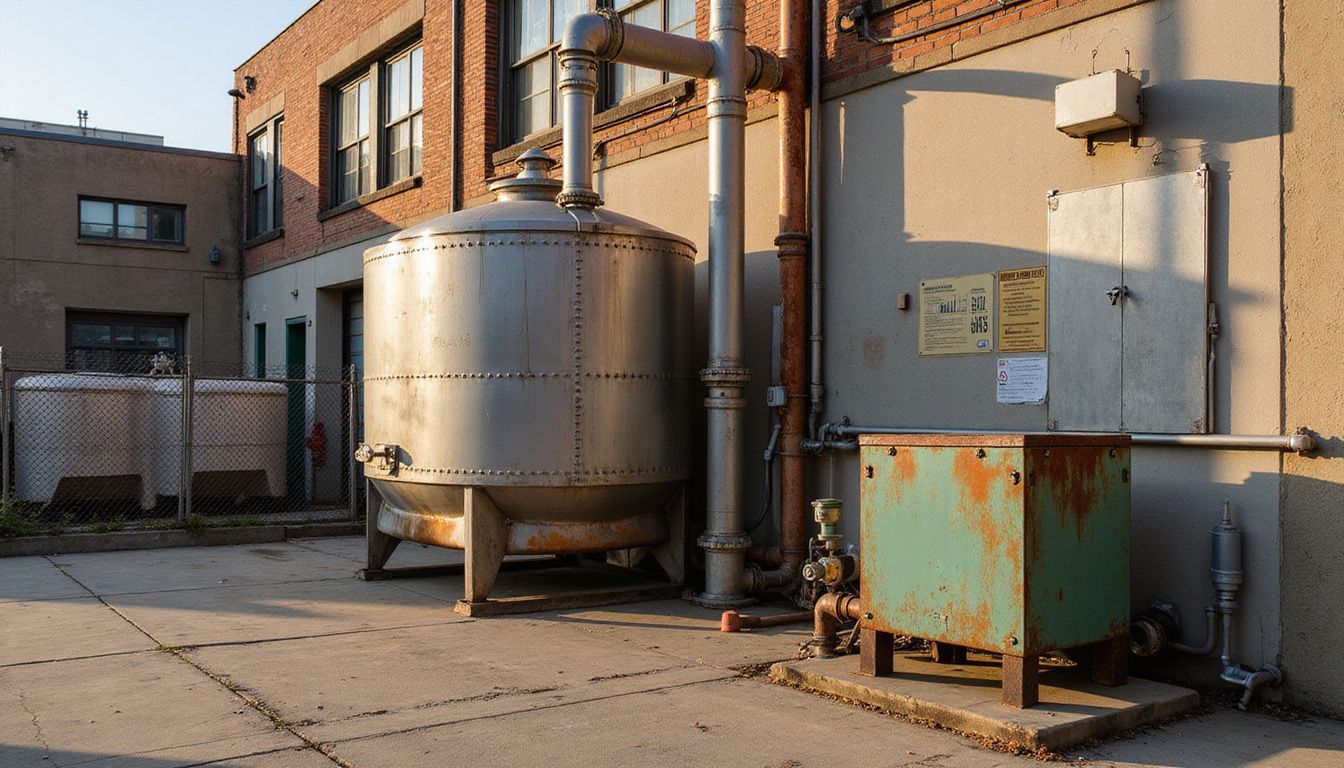
Biogas systems turn hotel food waste into real energy that powers communities. Hotels inject renewable natural gas into local grids, directly displacing fossil fuels that would otherwise burn for heating and electricity.
This shift matters because state renewable portfolio standards now push utilities to source more clean power, and hotel biogas production helps meet those targets. Participation in low-carbon fuel incentives and D3 RIN credit programs gives hotels financial rewards for the renewable gas they generate.
The IPCC data collection project shows that anaerobic digestion cuts greenhouse gas emissions by diverting food waste from landfills, where it would otherwise decompose and release methane. Hotels in California, New York, and Massachusetts already comply with food waste diversion mandates by converting scraps into energy instead of sending them to dumps.
The wins add up in several ways:
- Every ton of food waste converted to biogas replaces energy that would come from fossil fuels.
- The impact scales quickly across hundreds of hospitality properties.
- Staff see a direct link between daily work and renewable energy production, building pride in sustainability efforts.
- The energy stays local, which strengthens community resilience and cuts dependence on distant power sources.
Hotels that choose biogas align themselves with global climate action goals outlined by the IPCC. These systems prove a hotel can run its operations while actively fighting climate change, not just talking about it.
Larger Waste Processing Capacity
Large hotels generate thousands of pounds of food waste every single day, and on-site digesters simply cannot keep up with that volume. Biogas systems handle the heavy lifting that smaller equipment cannot manage.
Companies like Weltec Biopower, EnviTec Biogas, and Vanguard Renewables run massive facilities that process huge quantities of food, brewery, and agricultural waste from multiple hotels at once. Off-site anaerobic digestion plants accept mixed waste streams from large venues, turning a disposal headache into valuable energy production.
These commercial operations can even handle contaminated or packaged food waste that on-site equipment would struggle with. Hotels producing heavy daily waste loads benefit enormously from partnering with these large-scale operators instead of trying to handle everything internally.
Modular biogas plants offer another advantage for growing operations. Facilities can expand capacity as your waste stream grows, scaling up without replacing entire systems. High-solids and wet digestion setups get selected based on the total solids content of your waste, so the technology adapts to your needs.
Off-site biogas plants also create commercial value from the processed organic pulp hotels produce, turning waste into a revenue opportunity. Your property gains energy generation and waste reduction while a specialized operator manages the technical side.
This partnership approach works especially well for chains with multiple properties, since centralized biogas facilities can consolidate waste from several hotels at once.
Factors to Consider When Choosing a Food Waste System
Picking the right system comes down to what your hotel actually needs, what money you have to spend, and how much trash you produce each day.
Your sustainability goals, available space, and waste composition all play major roles in making the best choice for your operation.
Budget and Infrastructure Requirements
On-site food digesters cost far less upfront than biogas systems, which makes them ideal for hotels watching their budgets. You install them, plug them in, and start processing waste.
Biogas systems, by contrast, demand serious capital. You’ll pay for permits, pre-processing equipment, digestate handling, and utility connections that drain your wallet fast. That said, hotels using the BOO model through companies like Vanguard Renewables skip the upfront costs entirely. They pay tipping fees for waste delivery instead, which spreads expenses over time and reduces financial risk as waste volumes shift with seasons or occupancy.
Here’s how the numbers might play out for a 300-room full-service hotel producing about 2,500 pounds of food waste per day:
| Cost Factor | On-Site Aerobic Digester | Modular Biogas (Build-Own-Operate) |
|---|---|---|
| Upfront Capital | About $95,000 for equipment and installation | No capital outlay required |
| Annual Costs | $4,200 in maintenance and energy | $62,000 service fee covering pickup and processing |
| Annual Offsets | $38,000 in hauling reduction savings | $18,000 in energy credit value; digestate disposal absorbed by operator |
| Long-Term Picture | Simple payback around 2.7 years | Roughly $110,000 in 10-year cumulative net savings, but multi-year contracts and longer approvals required |
This breakdown shows the trade-off clearly: quick payback and operational simplicity on one side, longer-term energy revenue with contract obligations on the other.
Keep an eye on digestate disposal for biogas operations, which runs $20 to $30 per ton. Modular systems help by scaling with your actual needs, so you don’t overspend on unused capacity.
Revenue stacking from tipping fees, RNG credits, and D3 RINs can improve your return on a biogas system, but those benefits require careful data collection and project management. Weigh whether the long-term gains justify the heavy infrastructure demands and initial spending.
Waste Volume and Composition
Once you know your budget and space limits, the real game-changer is what your kitchen actually throws away. Your daily waste volume and its contents will make or break your decision.
Hotels generating up to 2,000 pounds of food waste daily do great with on-site digesters, while larger properties need biogas systems that can handle the heavier load. Think of it like choosing between a home kitchen and a commercial restaurant operation: scale matters, and it matters a lot.
Your waste composition tells the rest of the story:
- Waste streams with less than 15% total solids work well with wet digestion systems like UASB, EGSB, or CSTR technology.
- Waste with more than 15% total solids requires high-solids or dry digestion systems instead.
- High-strength organic waste with consistent COD and volatile solids performs beautifully in anaerobic digestion projects.
- High-fat or high-sugar waste needs systems built specifically for those feedstocks, and mixed waste with non-organics may require depackaging equipment first.
Seasonal shifts matter too. What you throw away in summer differs from winter, so your waste characterization should account for those changes. A careful assessment ensures your waste stream and your digestion technology actually match.
Sustainability Goals of the Property
Your waste volume tells only part of the story. Your property’s bigger picture matters just as much.
Hotels chasing zero waste or carbon neutrality should seriously consider biogas systems to cut emissions at the source. These systems generate renewable energy from food scraps, so your hotel stops sending waste to landfills and starts powering operations instead. They also align with global climate targets, including IPCC goals, and open the door to renewable energy credit markets.
On the flip side, on-site digesters support hotels seeking LEED certification or similar sustainability badges that guests and investors notice. Your long-term vision shapes which system fits best.
Hotels in the 12 U.S. states with food waste diversion mandates as of 2026 gain compliance advantages through biogas adoption. Per a 2026 state-by-state food waste legislation review and NRDC’s tracking of state organic waste ban policies, those states are Vermont, Massachusetts, Rhode Island, New York, Maryland, Washington, New Hampshire, Connecticut, Illinois, Maine, New Jersey, and California. Washington’s newly implemented law, one of the strictest in the country, requires businesses generating over 96 gallons of organic waste per week to document diversion, with a goal of cutting landfill methane emissions 75% by 2030. If your property sits in one of these states, checking your weekly waste volume against the local threshold is a smart first step.
Data collection projects and analytics help you track progress, measure impact, and report results to stakeholders with confidence. On-site digesters offer immediate, visible waste reduction for properties prioritizing local environmental impact over broader energy goals.
The choice comes down to this: do you want to reduce waste visibly and support local sustainability efforts, or generate renewable power and contribute to national climate targets? Your environmental objectives should drive the decision, not the other way around.
Conclusion
So which food waste champion wins? The honest answer: it depends on your property.
On-site food digesters work fast, cut waste immediately, and fit snugly into tight spaces. That makes them perfect for hotels with limited room and modest waste volumes.
Biogas systems generate actual energy from your scraps and process larger quantities. They appeal to hotels chasing serious renewable energy targets and zero-waste goals.
The research backs both paths. Aerobic digesters can slash food waste by 52 percent, while anaerobic digestion turns organic material into methane for electricity and heat through combined heat and power setups.
The smartest move for many properties? Combine both approaches, or partner with off-site anaerobic digestion services that haul mixed food waste to dedicated biogas plants.
Either way, your hotel can shift to low-carbon operations without breaking the bank or your kitchen layout.
FAQs
1. What is the difference between an on-site food digester and a biogas system?
An on-site food digester breaks down food scraps quickly in your kitchen without producing fuel, while a biogas system uses anaerobic digestion to turn waste into gobar gas that you can burn for heat or power.
2. Is there real research behind biogas for the hospitality industry?
Yes, studies published on pmc.ncbi.nlm.nih.gov and findings from the anaerobic digestion data collection project show that food waste can become usable fuel at scale.
3. Which option is better for a small hotel?
A food digester usually works best for small properties since it needs less space, lower upfront costs, and less daily maintenance.
4. How do I compare systems before buying one?
Open your browser to review vendor specs and case studies, then check market data from firms like NielsenIQ to see what eco-minded guests actually want.

On-Site Food Digesters vs. Biogas Systems: Which Is Better for Hotels and Hospitality?
Spread the loveHave you ever watched the bus tubs roll back from a hotel breakfast buffet and wondered where all that uneaten food actually goes? For most properties, the answer is a dumpster. Hotels collectively produce around 20 million pounds of food waste daily, and an average hotel generates about 2,000 pounds of food waste […]
On-Site Food Digesters vs. Biogas Systems: Which Is Better for Hotels and Hospitality?
Spread the loveHave you ever watched the bins pile up behind your hotel kitchen and wondered where all that money is going? Spoiled ingredients, plate scraps, and prep waste add up fast. And you pay steep fees to haul it all to the landfill. Here’s a number that surprised me the first time I saw […]

Using the Commercial Insurance Renewal Process to Get the Best Cover and Deals
Initiating your commercial insurance renewal process early provides opportunities to negotiate terms, ensure coverage aligns with your business’s evolving needs, and explore competitive quotes. This proactive approach can protect against premium increases and coverage gaps, ultimately helping to secure the best deals for your business…

10 Ways to Avoid Wastage of Food
Discover how cutting food waste can save your family up to $1,500 annually. Learn key strategies for meal planning, proper storage, and understanding expiration labels. Implement these tips to keep your kitchen organized and your wallet full while reducing your environmental footprint…