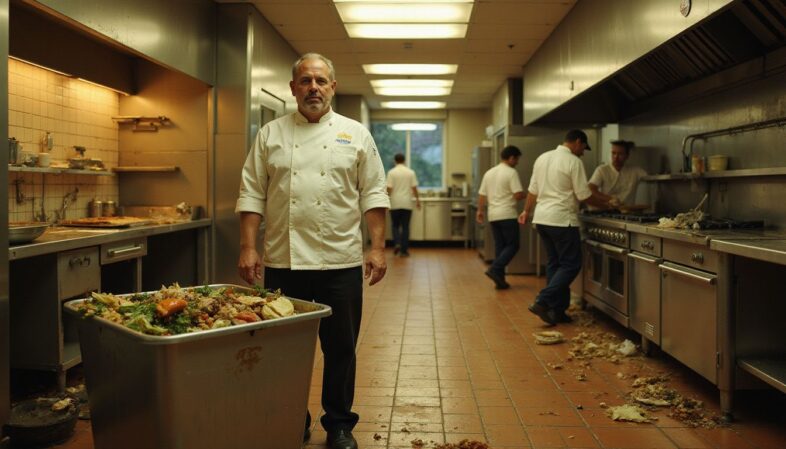
Have you ever watched the bus tubs roll back from a hotel breakfast buffet and wondered where all that uneaten food actually goes?
For most properties, the answer is a dumpster. Hotels collectively produce around 20 million pounds of food waste daily, and an average hotel generates about 2,000 pounds of food waste each day.
That waste costs real money to haul away. Then it sits in a landfill, releasing greenhouse gas emissions long after your guests have checked out. Most haulers collect it unprocessed, mixed with packaging and other junk, which makes it nearly worthless.
Here’s the good news, though. You have two solid options for turning that waste problem into a win: on-site food digesters and biogas systems built on anaerobic digestion.
Both break down organic material into something useful. Both cut your disposal costs and help you hit your sustainability goals.
The real question is which one fits your hotel.
I’m going to walk you through how each system works, what they cost, and how to match one to your property. By the end, you’ll know exactly which path makes sense for you.

Overview of On-Site Food Digesters
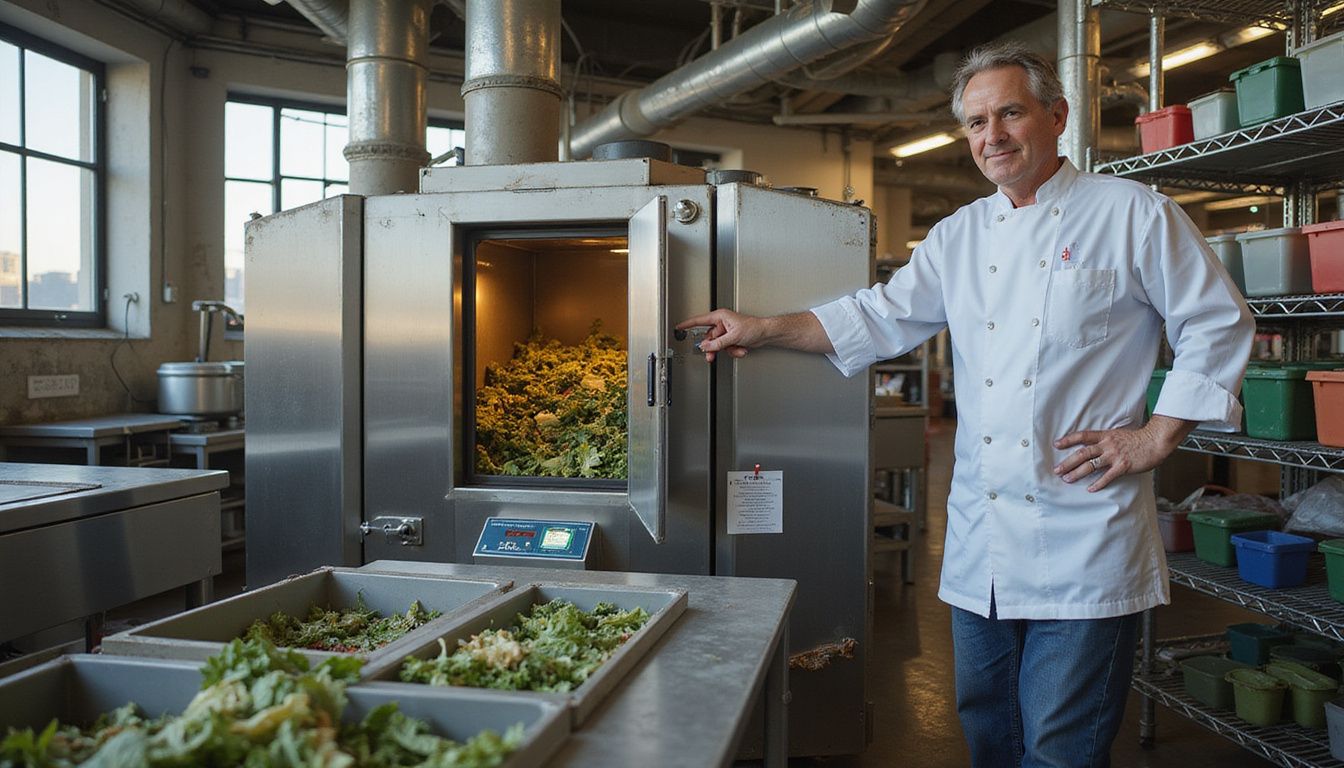
On-site food digesters break down organic waste right where your hotel creates it. Think of them as tiny processing plants sitting on your property.
They turn scraps into manageable material in a fraction of the usual time. That cuts the food waste disposal costs and tipping fees that quietly drain your budget every month.
How On-Site Food Digesters Work
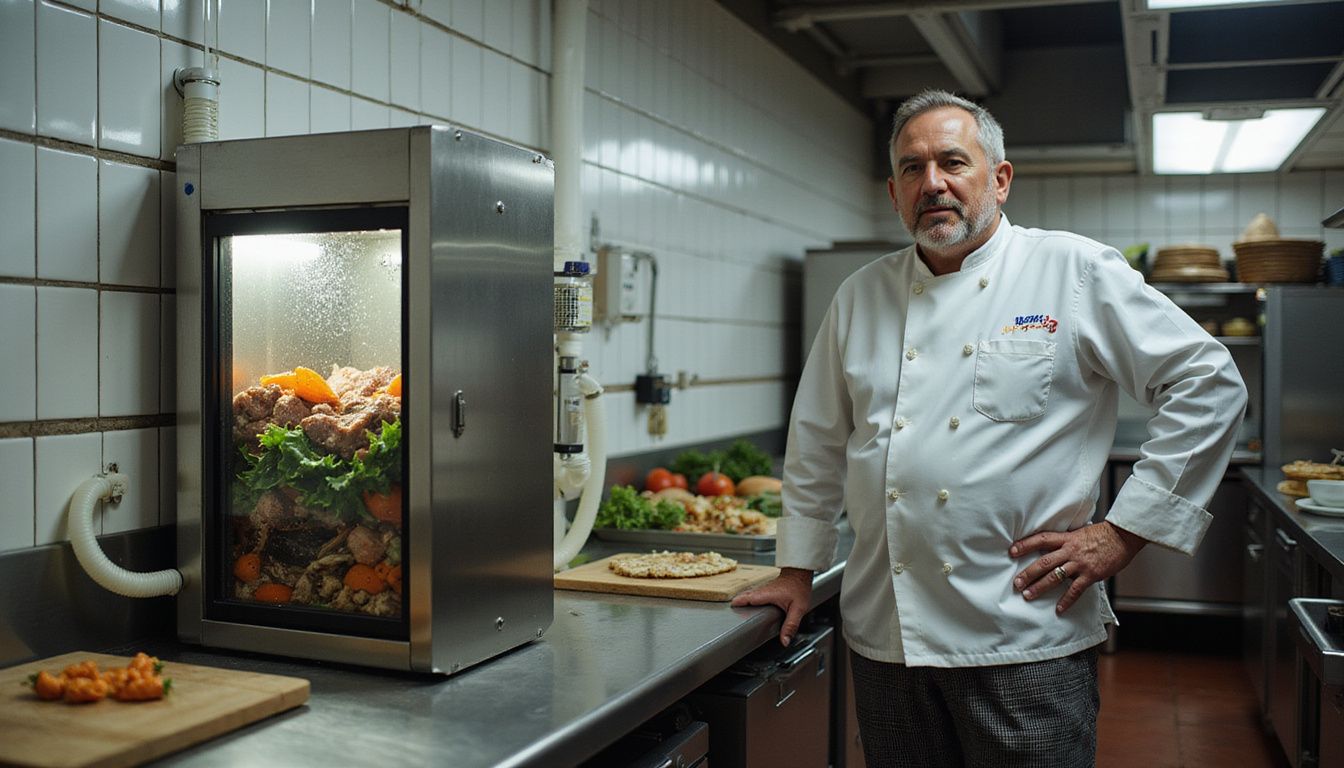 Aerobic digesters use oxygen to break down food waste automatically, turning scraps into water and carbon dioxide. Depending on the system and how you use it, hotels can process between 40 and 52 percent of their food waste with these compact units.
Here’s the basic process, step by step:
- Oxygen flows through the digester chamber, where it meets prep scraps, plate waste, and other food processing leftovers from your kitchen.
- Microorganisms feed on the organic material, speeding up decomposition naturally, with no manual sorting or compost-pile babysitting.
- The aerobic digestion process converts those scraps mostly into water and carbon dioxide gas.
- Because the output is carbon dioxide instead of methane, you avoid the potent greenhouse gas emissions that come from landfill disposal.
- The unit sits in or near your kitchen and shrinks waste mass and volume in real time, which trims your tipping fees right away.
That’s the whole idea: waste goes in, very little comes out, and it all happens on your property.
Understanding this sets the stage for comparing digesters against biogas systems, which take a very different approach to hotel food waste.
Primary Applications in Hotels and Hospitality
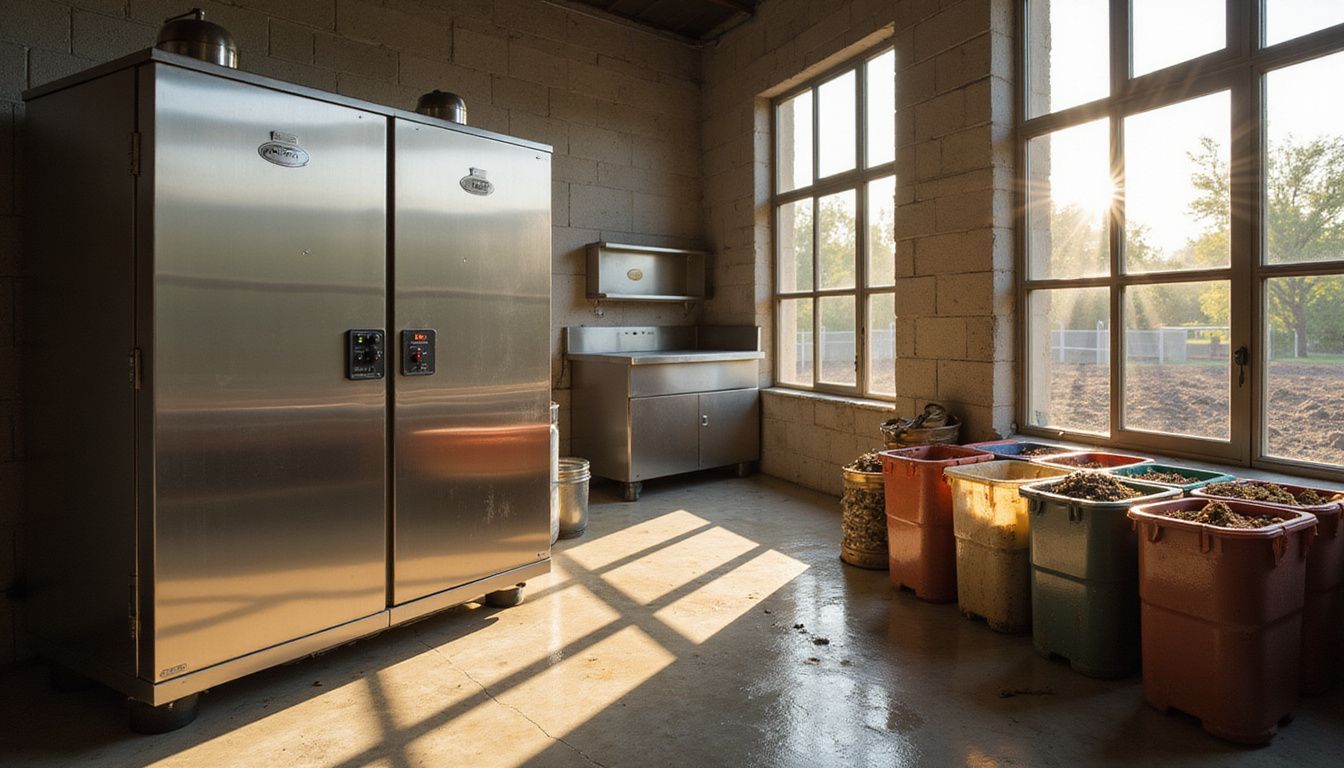
Hotels across California, New York, and Massachusetts are turning to on-site food digesters to tackle a real problem: waste management costs that eat into the bottom line. These machines break down scraps right on the property, transforming would-be landfill trash into something useful.
Many hotel chains now fold digesters into broader sustainability programs alongside recycling and composting. Staff get trained on the systems, which builds real pride in the property’s environmental efforts.
Guests notice too. Eco-conscious travelers tend to pick hotels that show genuine environmental leadership instead of just talking about it.
There’s a regulatory push behind all this as well. At least 12 US states have food waste diversion mandates in force by 2026. According to 2026 state legislative trackers covering US food waste laws, the full list includes Vermont, Massachusetts, Rhode Island, New York, Maryland, Washington, New Hampshire, Connecticut, Illinois, Maine, New Jersey, and California.
Two dates stand out. California’s AB 660 provisions take effect July 1, 2026, and New York’s expanded Food Donation and Food Scraps Recovery Law kicked in on January 1, 2026. If your property sits in any of these states, a compliance deadline is either here or coming fast, so it pays to check your local rules now.
Properties that installed digesters reported immediate drops in food waste sent to landfills. That means lower disposal costs and easier compliance. The systems also create byproducts like compost, which hotels can sell to local farmers or use for landscaping. Organizations like the American Biogas Council, along with companies such as Veolia Water Technologies, help hotels understand these technologies.
On-site digesters give hotels a way to turn their biggest waste problem into a competitive advantage.
Overview of Biogas Systems
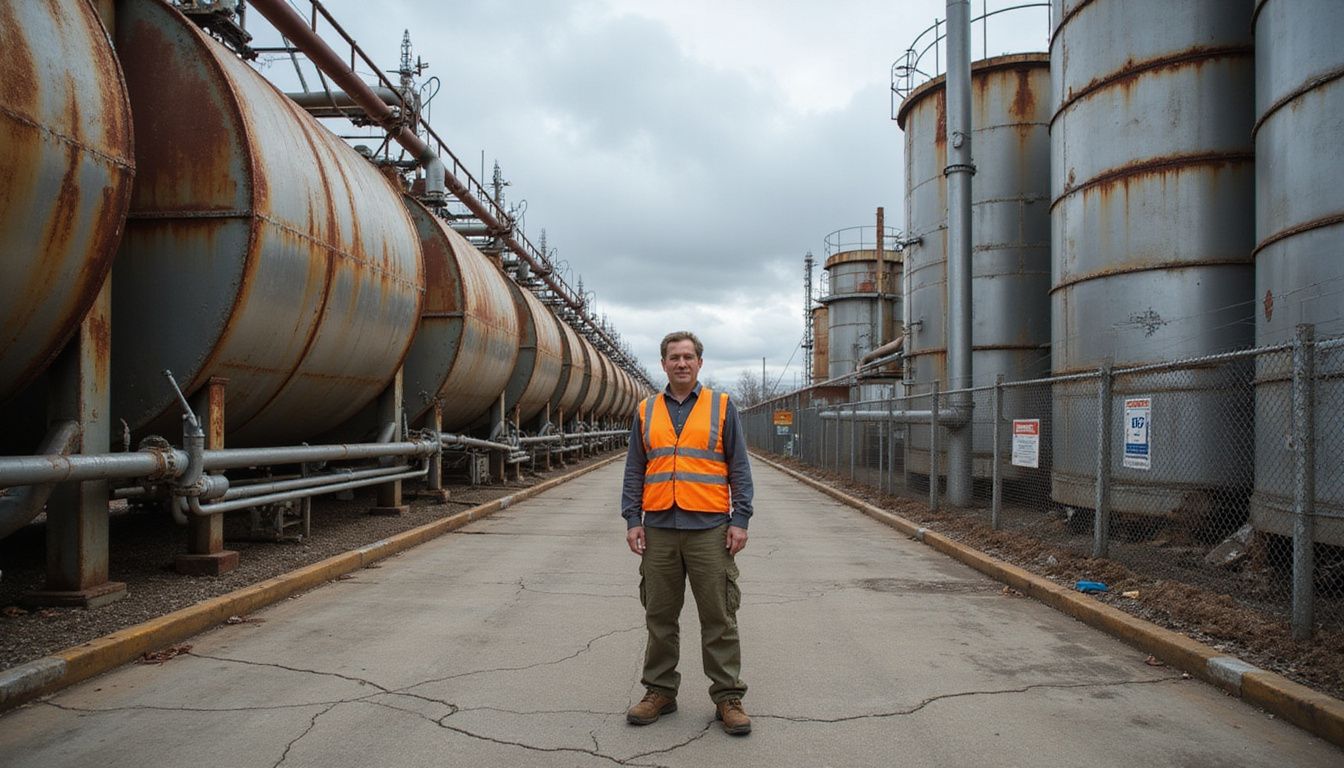
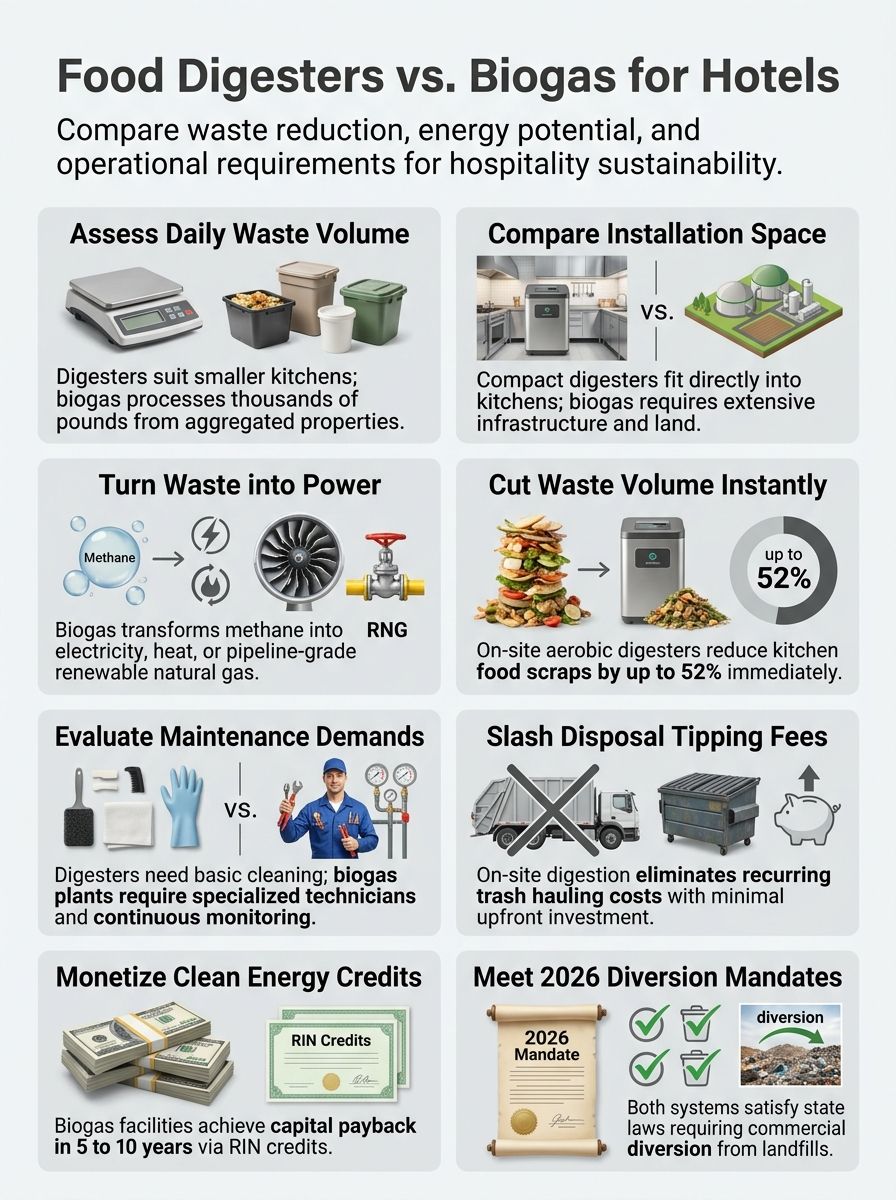
Biogas systems turn food waste into renewable natural gas, which hotels can use to power operations or sell back to the grid.
Companies like Anaergia, Biothane, and Weltec Biopower run large anaerobic digestion facilities that process massive amounts of organic material from hospitality businesses.
How Biogas Systems Function
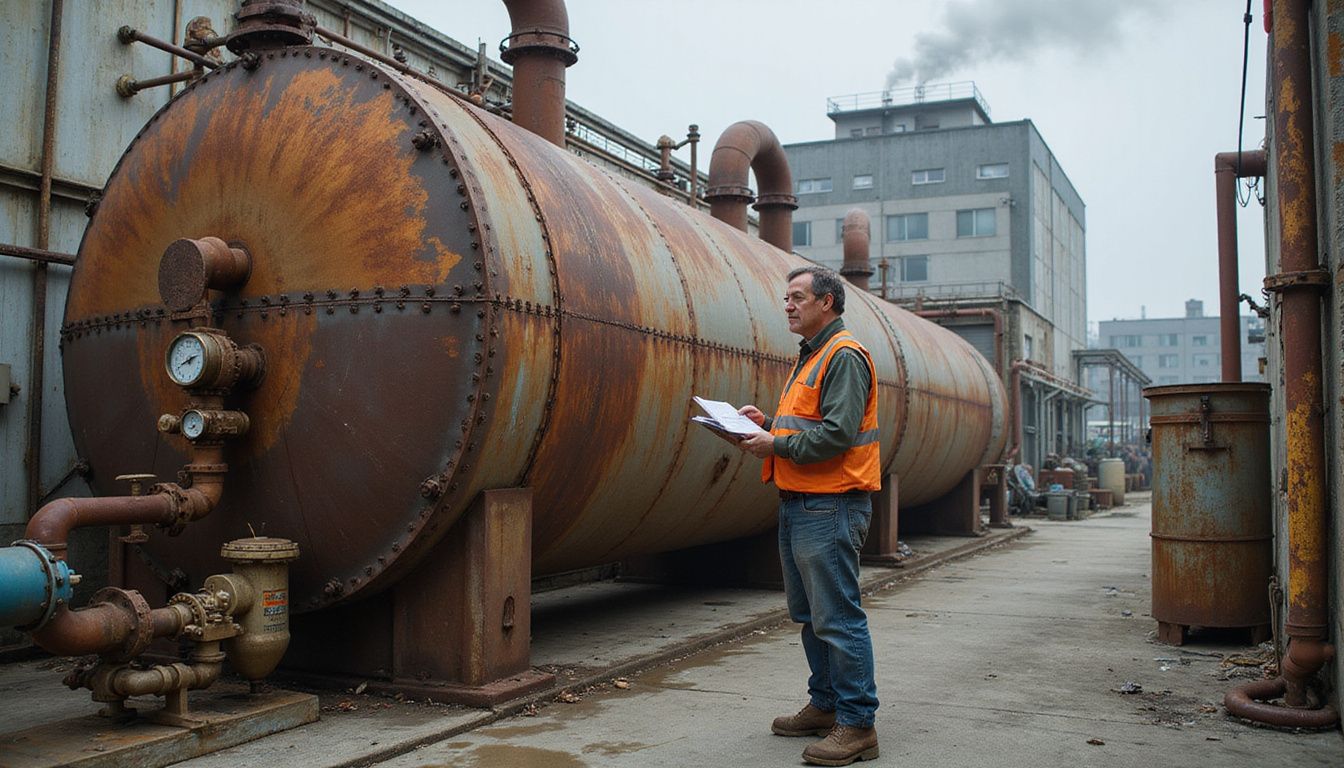
Biogas systems turn food waste into energy through a natural process called anaerobic digestion. In plain terms, microbes break down scraps in a sealed tank with no oxygen, and the gas they give off gets captured and put to work.
Here’s how it plays out:
- Anaerobic digesters break down food scraps without oxygen, producing methane and carbon dioxide as they work.
- Methane makes up roughly 80% of the biogas output; carbon dioxide and water vapor account for the remaining 20%.
- Different reactor types (CSTR, UASB, EGSB, and plug-flow systems) handle different waste profiles, so the design matches your kitchen’s actual output.
- Specialized equipment converts that methane into electricity, heat, or renewable natural gas, which can power hotel operations, fuel vehicles, or flow straight into utility pipelines.
- Regular upkeep matters: sediment buildup can cut output by 20% over just four years without proper cleaning schedules.
Companies like Anaergia, Weltec Biopower, Biothane, EnviTec Biogas, and Vanguard Renewables design these systems around hospitality waste streams and facility sizes. Automated cleaning technology now allows zero-downtime maintenance, so plants keep running safely during upkeep.
Why does this beat the dump? Landfill disposal captures only slightly more than 50% of methane emissions, which makes anaerobic digestion facilities far superior for fighting climate change.
Knowing your facility’s waste volume and energy needs helps you pick the biogas setup that fits your sustainability goals.
Common Uses in the Hospitality Industry
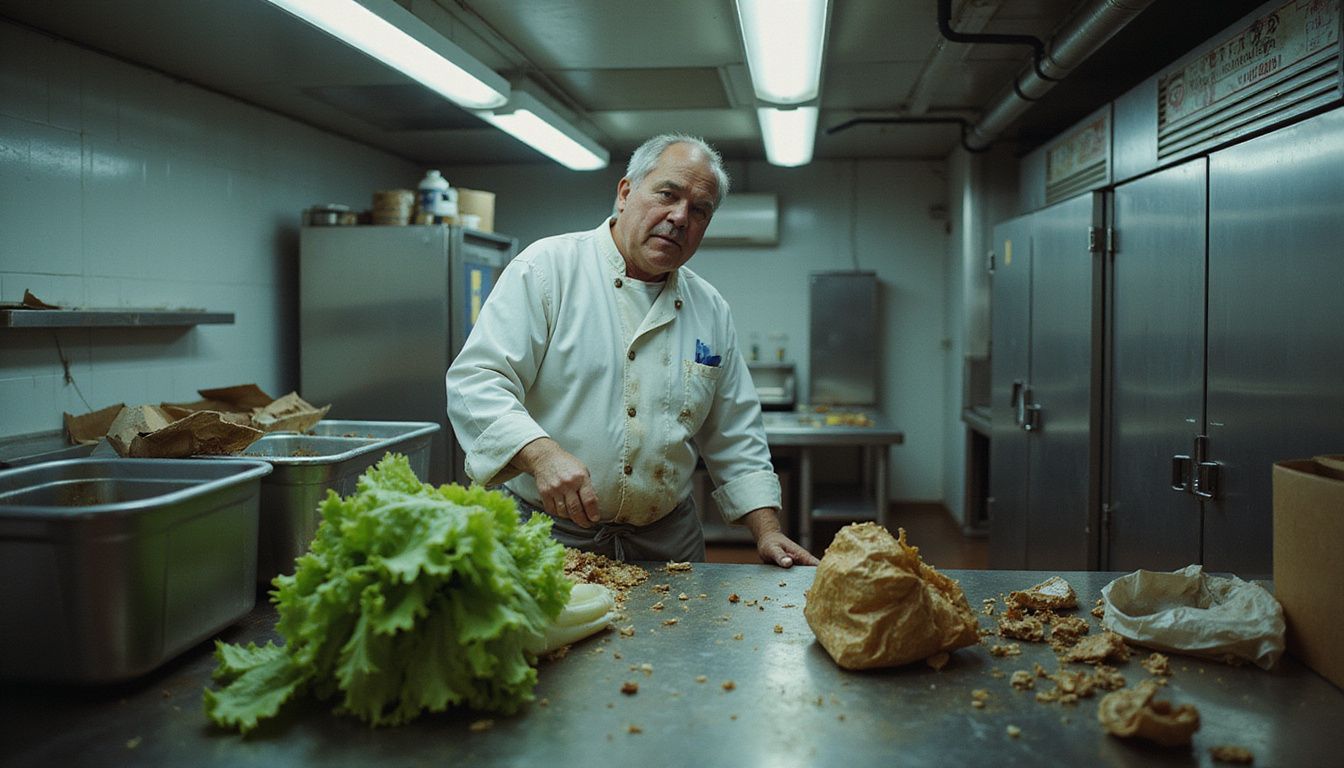
Most hotels don’t build their own biogas plant. Instead, they send food scraps to off-site anaerobic digestion facilities rather than the landfill. Waste collection companies haul the organic material from kitchens to specialized plants where the real work happens.
At these facilities, operators can even handle contaminated or packaged food waste after careful depackaging and separation. The US National Renewable Energy Laboratory tracks how this network diverts tons of waste every year.
State diversion mandates are pushing more hotels toward these solutions, and the payoff shows up in a few ways:
- Hotels meet renewable energy goals through biomethane, which operators purify from the biogas and inject into the natural gas grid or use directly as fuel.
- Processed organic pulp becomes a product that biogas plant operators sell for various uses.
- Separated plastics, called recyclates, get turned into resin pellets for new products, feeding circular economy efforts.
- Off-site biogas systems create jobs in waste management and energy production, strengthening local sustainability networks.
Hotels that embrace biogas systems transform their waste problem into an energy solution, turning scraps into sustainability.
Hotels generate serious volumes of food waste daily, which makes them ideal partners for these large-scale operations. The anaerobic digestion data collection project documents how different hospitality properties contribute to renewable energy targets.
A small boutique hotel might send hundreds of pounds a month, while a large resort chain sends thousands. Menus and guest preferences change the mix, but operators handle it all. Either way, the property cuts disposal costs while staying on the right side of environmental rules.
Key Differences Between On-Site Food Digesters and Biogas Systems
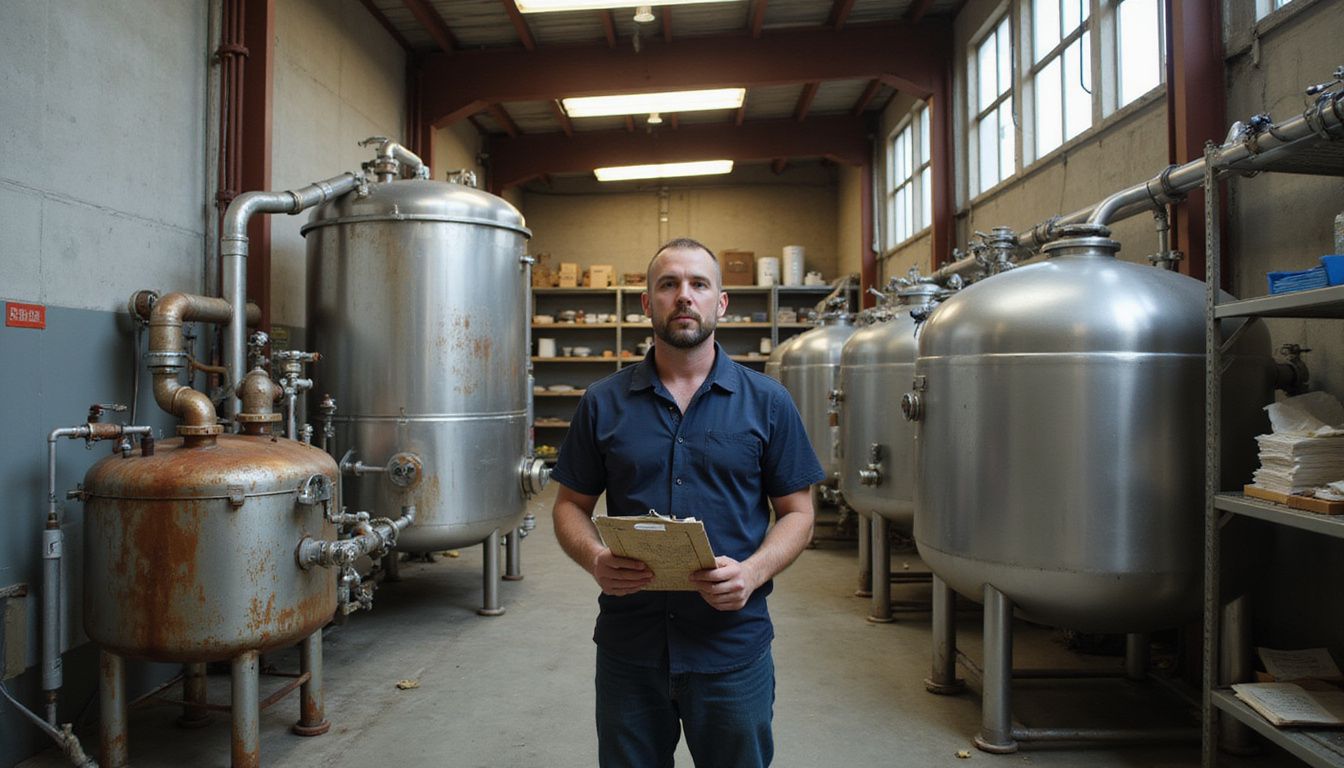
Both technologies break down organic matter through biological processes. But they take very different paths to get there.
Installation complexity, energy output, and day-to-day demands separate the two. Picking the right one starts with understanding what your property actually needs.
Installation and Setup Requirements
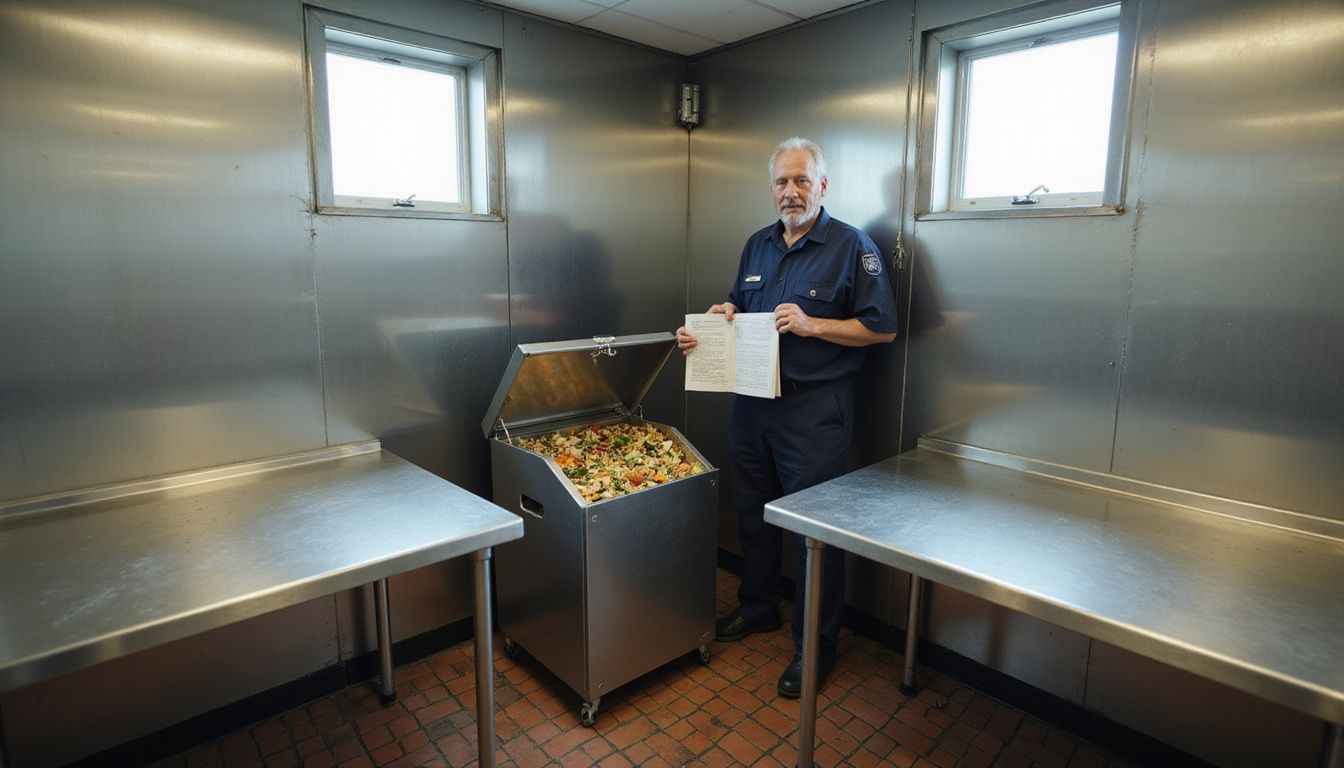
On-site food digesters slip into your kitchen like a new appliance. No major construction needed. Hotels can get them running fast, sometimes within weeks.
Setup is simple: connect power, add your food waste, and the system starts working. You skip the lengthy permitting headaches that come with bigger projects. Modular units from companies like Weltec Biopower can also scale as your waste volumes change, so the system adapts to you, not the other way around.
Biogas systems are a different animal. These installations require serious infrastructure:
- Reactors such as CSTR or UASB equipment, plus pre-processing machinery
- Effluent polishing stations and digestate storage areas
- Permits, grid interconnection agreements for electricity sales, and utility integration
- A pre-engineering feedstock assessment covering COD levels, volatile solids, pH balance, and nutrient ratios before you break ground
Biogas plant installation stretches across months or years, not weeks. You’ll coordinate with contractors, engineers, and regulators, and you’ll need real space and capital upfront.
The reward for that commitment? Long-term energy generation that a simple digester can’t match.
Energy Production Capabilities
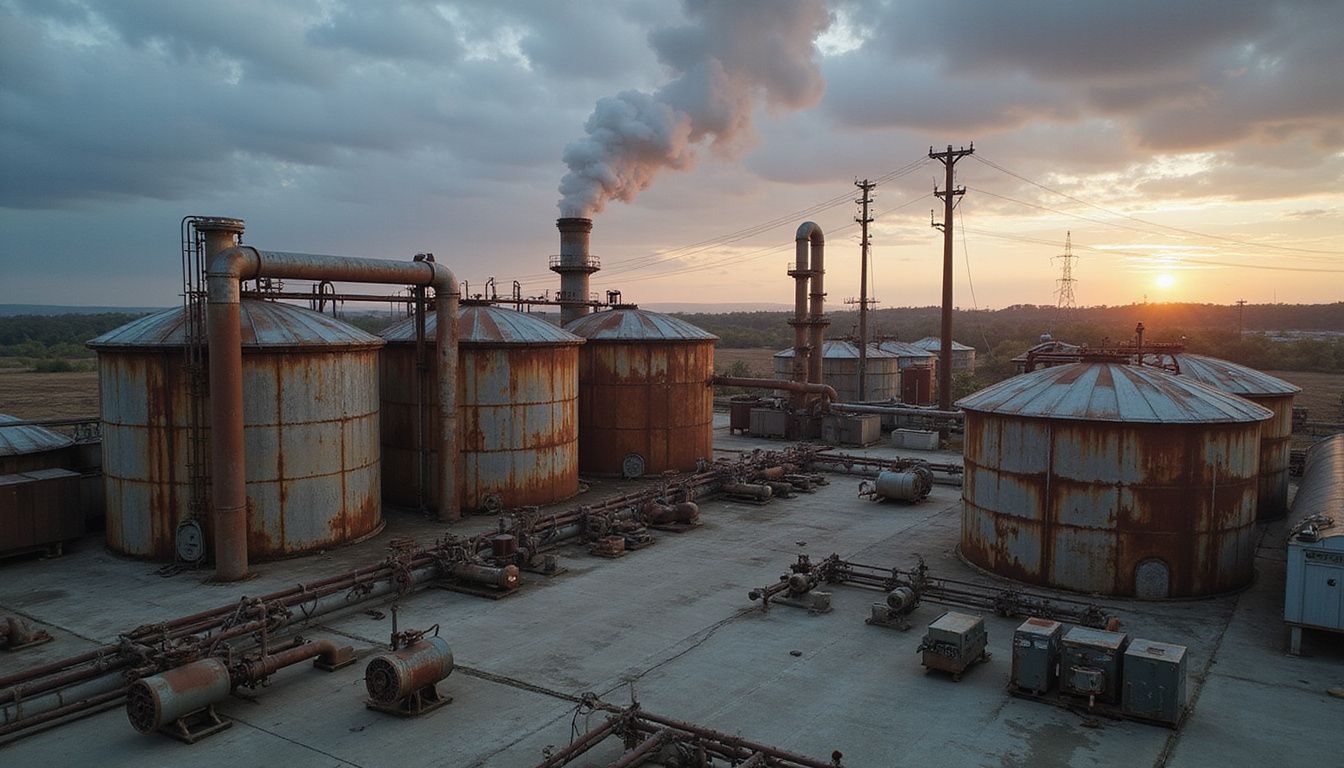
Once installation is sorted, the real payoff is what each system produces. Biogas systems convert methane into electricity, heat, or renewable natural gas (RNG) for grid injection or fuel. Your food waste becomes genuine energy.
On-site digesters focus on shrinking waste volume and emissions rather than generating power. Simply put: biogas systems are the power plants, and on-site digesters are the waste managers.
The revenue side gets interesting for biogas operators. They can earn D3 Renewable Identification Numbers (RINs), a federal credit paid for renewable fuel. Per Q1 2026 RIN market data, D3 RIN prices climbed from $2.39 to $2.42 per ethanol-equivalent gallon during the quarter, and analysts expect prices to push above $3 later in 2026. A rising credit price makes the payback math friendlier for anyone weighing a biogas investment right now.
Combined heat and power (CHP) from biogas has the lowest infrastructure cost and offsets hotel energy bills directly. Well-designed off-site systems can generate enough RNG revenue for a 5 to 10 year capital investment payback.
Scale matters enormously here. Biogas systems process large volumes and generate significant energy compared with small on-site digesters. The US National Renewable Energy Laboratory has documented that RNG from food waste carries a levelized cost of $8.60 to $51.20 per MMBTU, depending on scale and setup.
The difference between these systems isn’t just about size; it’s about whether you want to solve a waste problem or create an energy solution, as sustainability experts often note.
Hotels with high food waste volumes see the biggest returns from biogas. Just know that grid electricity sales require certification and depend on utility pricing and local regulations, so plan to work with your power company.
Maintenance and Operational Costs

Maintenance bills can make your head spin. Let’s look at what keeping these systems running actually costs, because the numbers matter more than you might think.
| System Type | Maintenance Approach | Operational Complexity | Cost Range | Key Considerations |
|---|---|---|---|---|
| On-Site Food Digesters | Routine checks and regular cleaning only | Low; minimal skilled personnel required | Lower overall costs | Simple operation; fewer moving parts; straightforward upkeep |
| Biogas Systems | Frequent system monitoring and cleaning cycles | High; requires skilled technicians and regular oversight | $20-$30 per ton for digestate disposal; $200,000 per traditional cleaning cycle with production stoppage | Sediment buildup reduces output by 20% in four years without proper cleaning; halting production causes revenue loss |
| Advanced Cleaning Solutions | ROV technology enables zero-downtime maintenance | Eliminates confined space entry risks | Higher upfront investment; saves operational losses | Bristola’s ROV system prevents production stoppages; maintains consistent biogas yield; no personnel safety hazards |
| Full-Service Operations | Third-party vendors manage all maintenance | Outsourced expertise; vendor handles scheduling | Varies by contract; typically covers long-term reliability | Vendors like EnviTec provide complete O&M packages; protects yield over system lifespan |
On-site digesters keep your wallet happy because they demand far less attention. Routine checks happen without drama, and you won’t need specialists on speed dial.
Biogas systems are needier. They require skilled people who understand the technical side, and your staff must watch them constantly to catch problems early.
Sediment tells a story many owners learn too late. Over four years, buildup can slash biogas output by roughly 20 percent. Traditional cleaning means shutting everything down at around $200,000 per cycle, with energy production and revenue stopping cold.
One operational review of a medium-scale facility shows the stakes. Routine monitoring caught sediment that would have caused an 18 percent drop in methane yield over 3.5 years. Scheduled cleaning was budgeted at $185,000 per full-cycle shutdown. An emergency cleaning after yield loss, though, cost $275,000 plus two weeks of lost RNG revenue estimated at $32,000. As one plant maintenance lead put it, planned cleaning may sting, but an unplanned halt costs far more in repairs and lost production.
Digestate disposal adds another layer at $20 to $30 per ton. Spread that across a year’s waste volume and it stacks up fast. On-site digesters sidestep most of those disposal headaches because they process waste at smaller scales.
If you’d rather not manage any of this, companies like EnviTec offer full-service operation and maintenance packages. And Bristola’s ROV technology changes the picture entirely with zero-downtime cleaning: no shutdowns, no confined-space risks, no revenue cliff during maintenance windows.
Benefits of On-Site Food Digesters for Hotels

On-site food digesters slash your waste disposal bills fast. Hotels cut garbage costs by processing scraps right on the property, following approaches that line up with IPCC standards for waste reduction.
Reduced Food Waste Disposal Costs
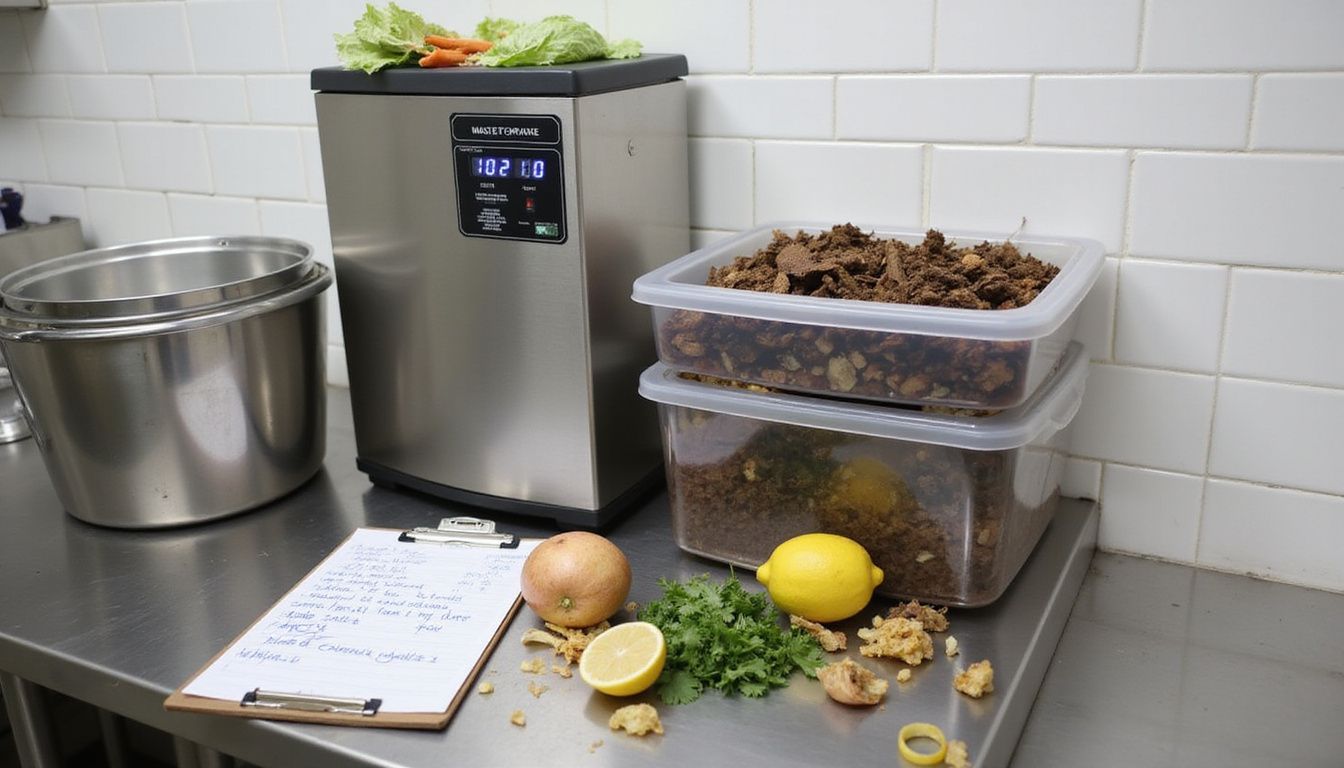
Food waste disposal costs drain hotel budgets faster than you’d think. Large properties pay hefty landfill tipping fees every month, and those charges pile up. Food digesters cut these expenses by processing waste right on your property.
No off-site processors means no more tipping fees eating into profits. Big data analytics also help properties see exactly where waste dollars go, so managers can redirect that money toward better guest service.
Waste reduction through digesters lowers service costs tied to waste hauling and landfill use, transforming a liability into a financial advantage.
There’s an income side too. Digesters create byproducts like compost that landscaping companies and garden suppliers actually want to buy. Cutting costs while creating revenue is a rare combination, and hotels that install these systems report measurable drops in their waste budgets within the first year.
The climate benefit rides along with the savings. The IPCC counts waste reduction as critical for fighting climate change, and fewer hauling trips plus less landfill use means lower greenhouse gas emissions.
Sustainability and profitability can work together here, not against each other.
Compact and Space-Saving Design
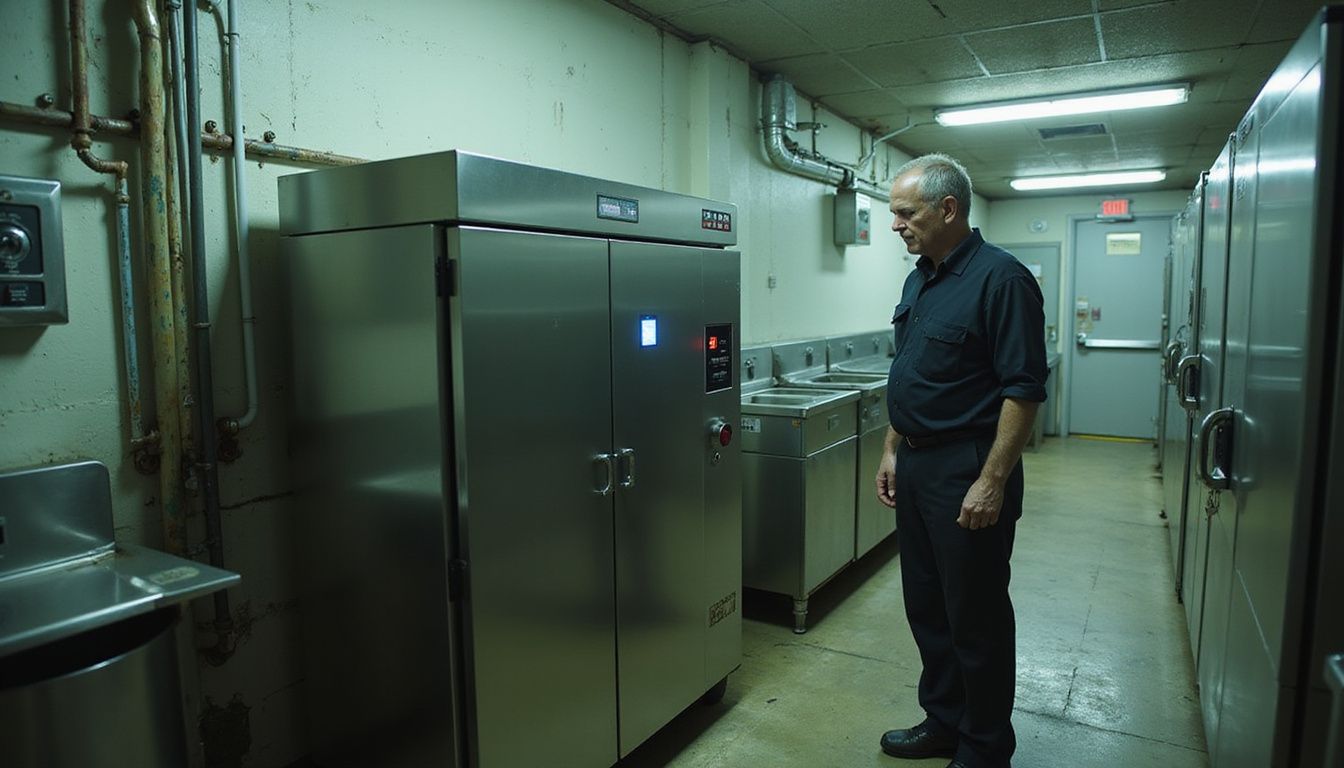
Beyond cutting disposal costs, hotels gain another big advantage: space. On-site digesters pack serious capability into a tiny footprint, which matters when every square foot earns money.
These systems fit into existing kitchen areas, waste rooms, or utility corners without major construction. Most measure just a few feet across, so they work even in tight urban hotels where real estate prices soar.
A few design perks stand out:
- Modular growth: start small, then add capacity as your hotel or waste volume grows.
- Minimal utility connections: installation happens fast with little disruption to daily operations.
- Simple controls: staff learn the basics quickly, keeping training light and operations smooth.
- Good neighbors: the small footprint lets digesters sit alongside recycling stations, turning your waste area into a true environmental hub.
Immediate Waste Reduction Impact
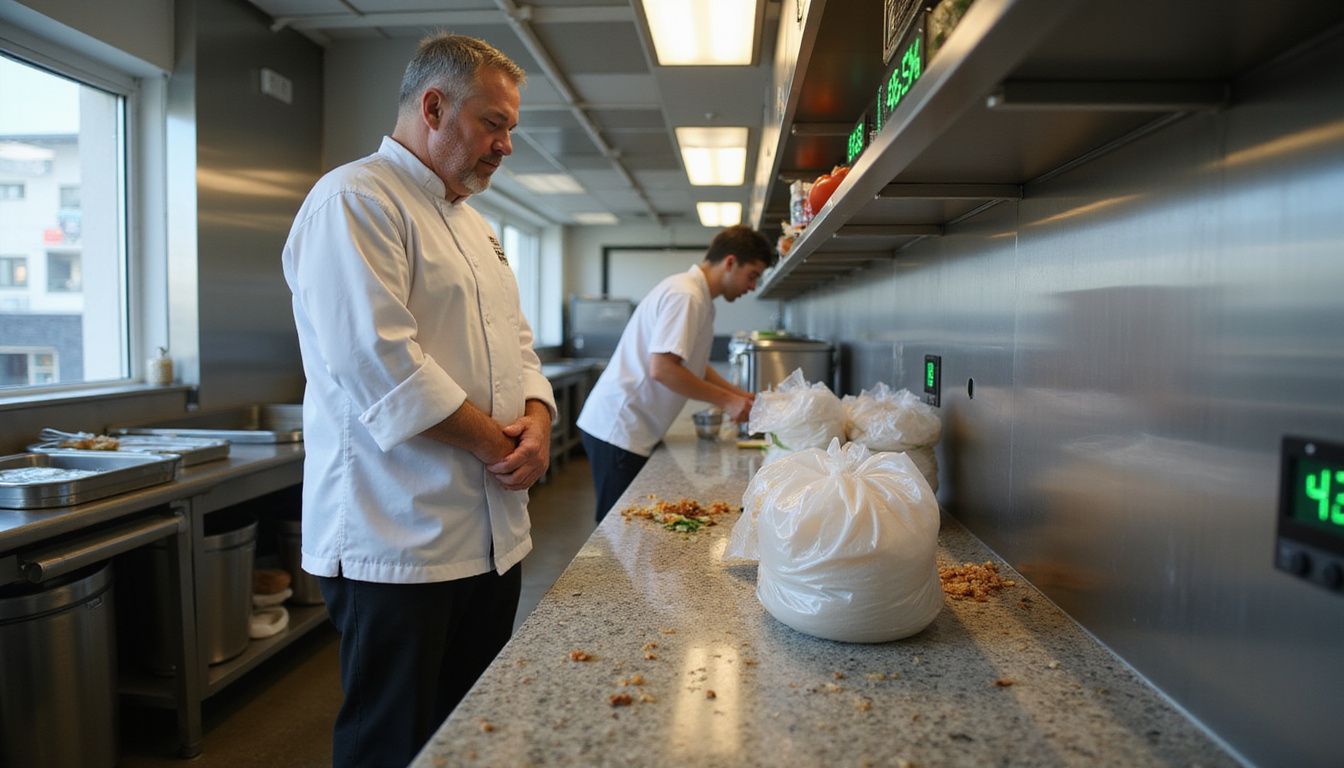
Hotels that install on-site food digesters see dramatic results almost overnight. These systems cut food waste by up to 52% right after installation, so your property stops sending huge amounts of trash to the landfill immediately.
Staff notice the change fast, and that quick win builds real momentum for your sustainability culture. Teams get genuinely excited watching the numbers drop on waste monitoring dashboards.
Here’s a real-world example. A 120-room urban boutique hotel installed a mid-size aerobic on-site digester to test short-term results. Over a 30-day window, the unit processed an average of 1,100 pounds of kitchen food waste per day and delivered a measured 48 percent reduction in landfill-bound food waste versus the prior month. Staff training took just 4 hours across two sessions, with no major plumbing changes.
As one operations manager noted, in a month they saw nearly half their food waste stop leaving the property, the crew picked up the routine in one shift, and the system fit into their back of house with zero construction.
Real-time data shows exactly how much waste your kitchen diverts each day. That proof helps you hit food waste diversion targets without delay, and it gives your sustainability reporting and marketing something concrete to point to.
Fast results also free up money and staff energy for guest service instead of hauling garbage. Your team becomes invested because they see the impact with their own eyes.
Serious sustainability doesn’t have to take years. A digester can show real progress in weeks.
Benefits of Biogas Systems for Hospitality
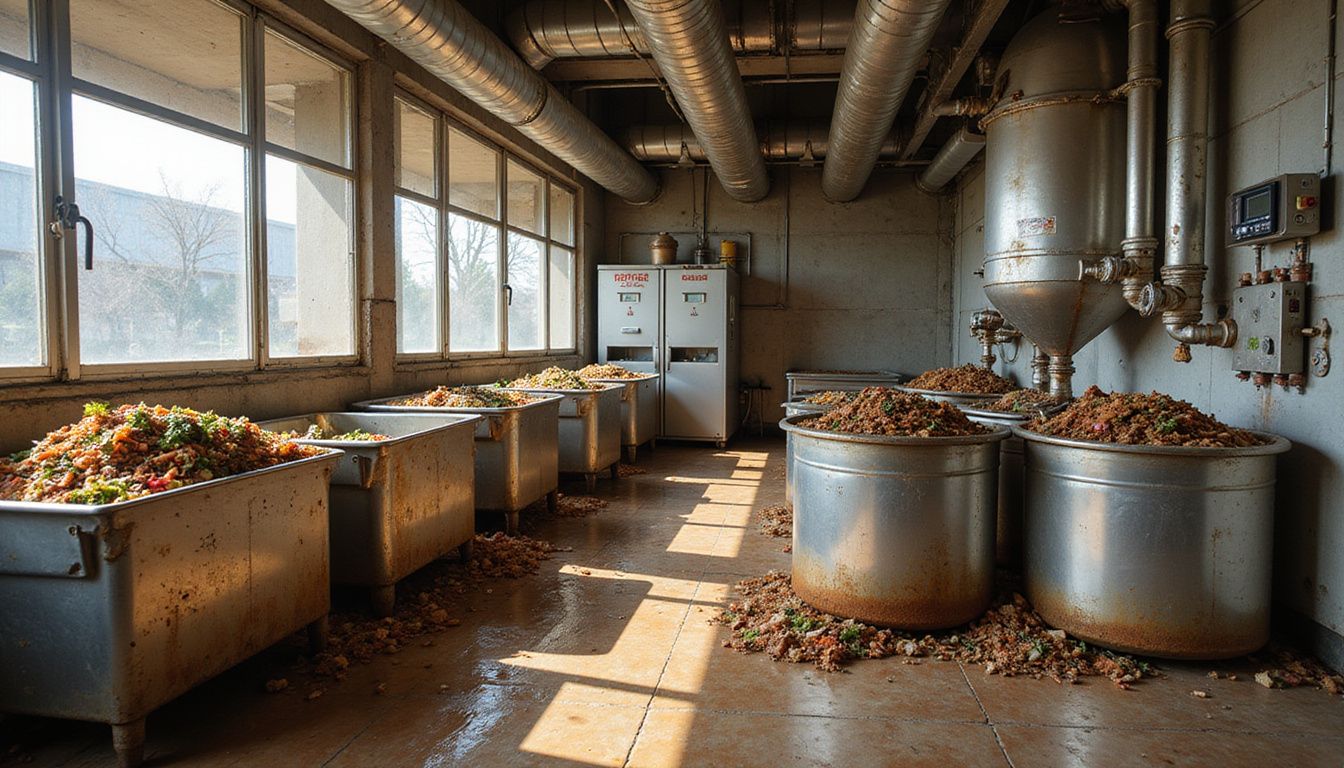
Biogas systems transform your food waste into clean energy, shrink your carbon footprint, and help your hotel hit sustainability targets while handling massive volumes of scraps. Here’s how that could reshape your operation.
Energy Generation from Food Waste
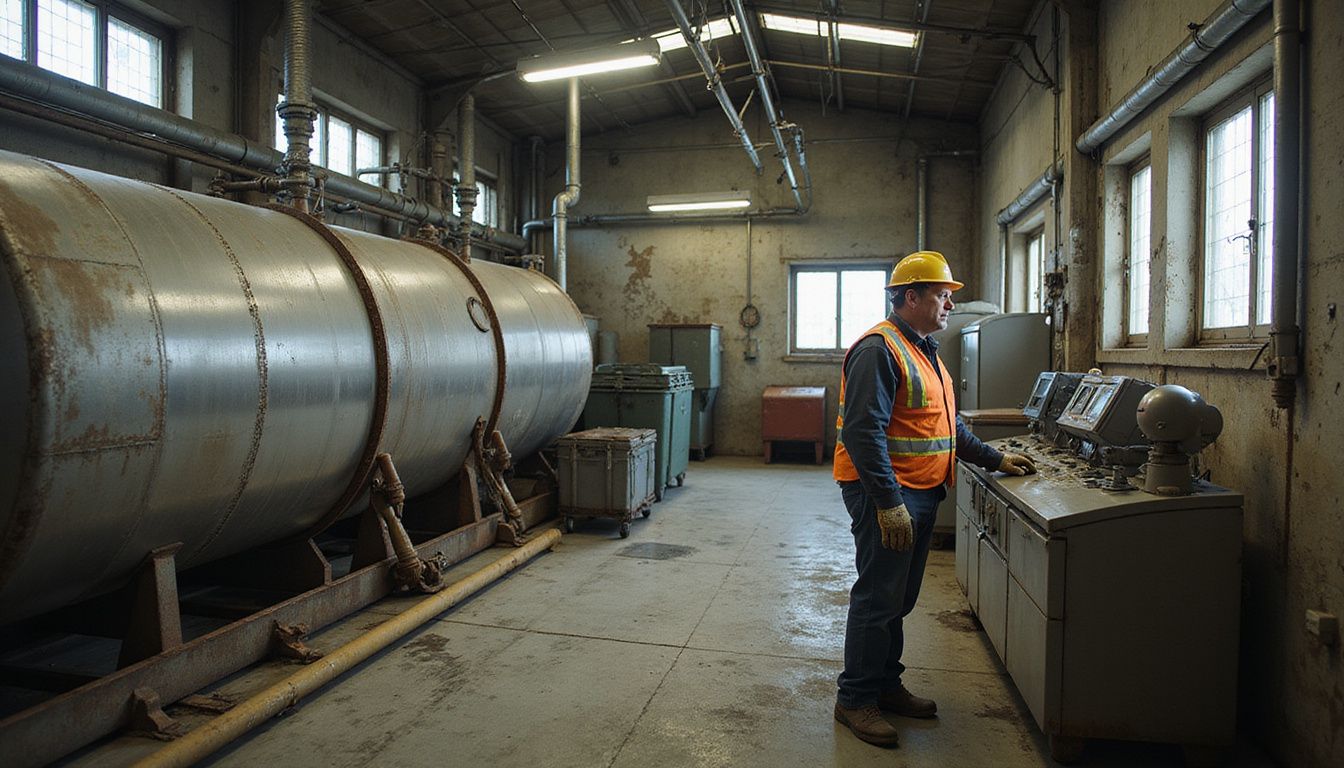
Your hotel’s food scraps can become electricity or heat. In a biogas system, digesters break down food waste into methane, which gets captured and converted into power. Methane makes up the bulk of the energy output, while carbon dioxide accounts for about 20% of the gas produced. (If you want a refresher on the oxygen-based alternative, Power Knot offers a clear overview of how aerobic digestion handles food waste differently.)
Combined heat and power units, or CHP systems, let hotels offset their own energy bills with this biogas. Your kitchen waste becomes something valuable instead of sitting in a landfill.
Hotels can also produce renewable natural gas directly from food waste through biogas plants. High-rate reactors like Biothane’s UASB and EGSB systems work especially well for liquid-heavy waste streams, squeezing maximum energy from your operation.
The financial case is solid too. Well-designed RNG facilities pay back their capital investment in 5 to 10 years, and producing RNG lets your property join renewable fuel programs that strengthen your sustainability story.
You shrink your carbon footprint and cut energy costs at the same time. That’s the appeal in one sentence.
Contribution to Renewable Energy Goals
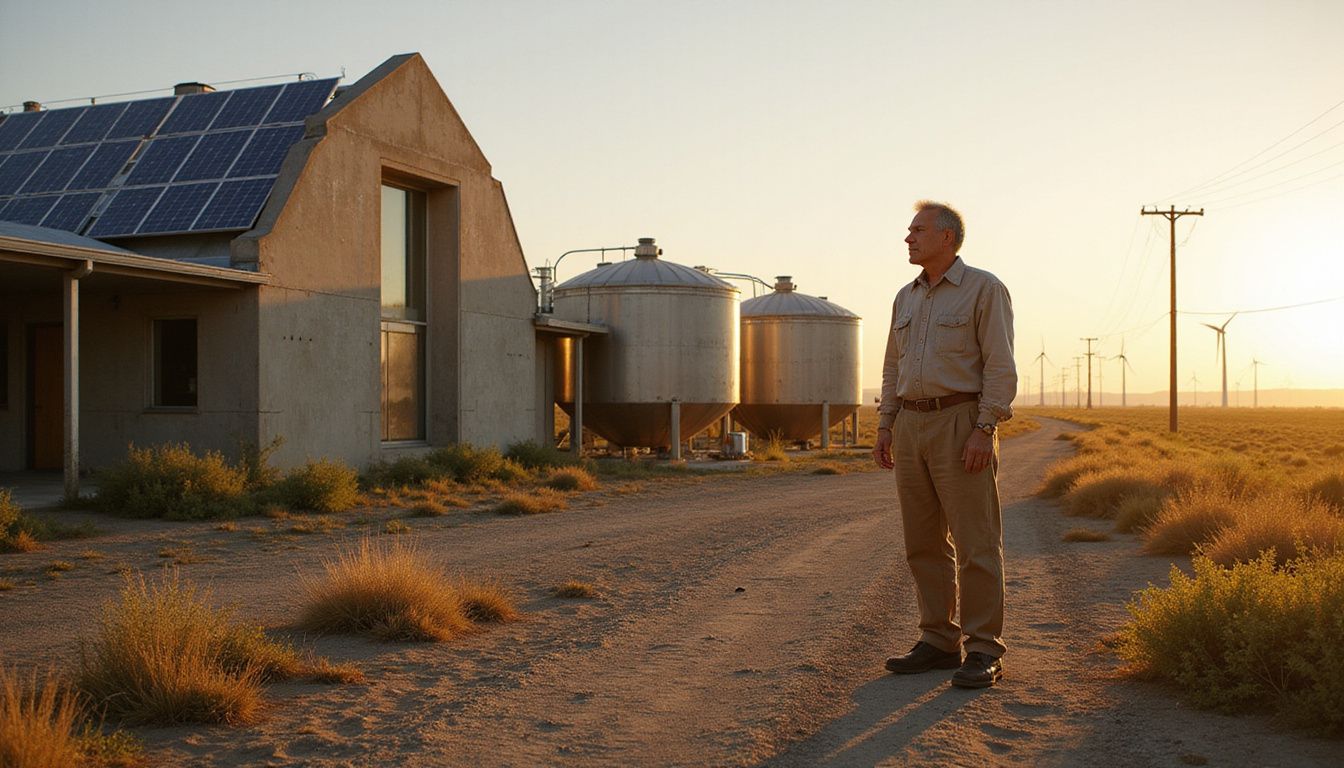
Biogas systems turn hotel food waste into renewable energy that helps properties hit their climate targets. Hotels face pressure from corporate mandates and state regulations to cut carbon emissions, and with a dozen states now requiring food waste diversion, biogas adoption doubles as a compliance strategy.
Your hotel can generate RNG from leftover scraps, then inject it into natural gas grids to support decarbonization across your region. That moves your property away from fossil fuels and toward cleaner energy that actually makes a difference.
Pairing biogas with solar and wind projects creates a powerhouse renewable energy profile. Many operators also find that participating in RNG and low-carbon fuel programs generates extra revenue, turning waste into profit.
Large-scale anaerobic digestion facilities feed national and regional renewable capacity, which means your hotel becomes part of something bigger than itself. Guests and stakeholders see a property that takes climate action seriously.
The math works out: less waste, clean energy, regulatory compliance, and a stronger bottom line, all at once.
Larger Waste Processing Capacity
Hotels generate massive amounts of food waste every single day. Biogas systems handle that mountain in ways on-site digesters simply can’t match.
Large-scale facilities, like those from Weltec Biopower and EnviTec’s EnviWaste, accept waste from multiple hotels at once. Properties pool their scraps for centralized treatment, which maximizes regional waste diversion and keeps more material out of landfills. Your hotel doesn’t have to go it alone.
One regional aggregation program shows how well this works. It collected food waste from 14 mid-size hotels and routed it to a centralized anaerobic digestion plant under a build-own-operate arrangement. The results:
- Per-hotel haulage costs fell by 37 percent.
- The plant ran at 92 percent capacity utilization.
- Centralized de-packaging allowed mixed and packaged hotel waste, lifting total accepted tonnage by 44 percent versus individual drop-offs.
As one program operations coordinator explained, pooling loads let them cut transport costs and make the central plant economically viable while handling messier hotel streams that small units could not.
These facilities tackle challenging material, including contaminated or packaged items, fats, and glycerine that smaller systems struggle with. That matters because hotels produce diverse waste, not just clean scraps. Off-site plants come equipped with de-packaging, grinding, and contaminant removal built for mixed hotel streams.
Companies like Vanguard Renewables run a Farm Powered model that lets mid-size processors and multi-source generators join without spending capital on equipment. Your property contributes waste, the system does the heavy lifting, and the output becomes renewable energy and recovered materials that support circular economy goals across entire regions.
Factors to Consider When Choosing a Hotel Food Waste System
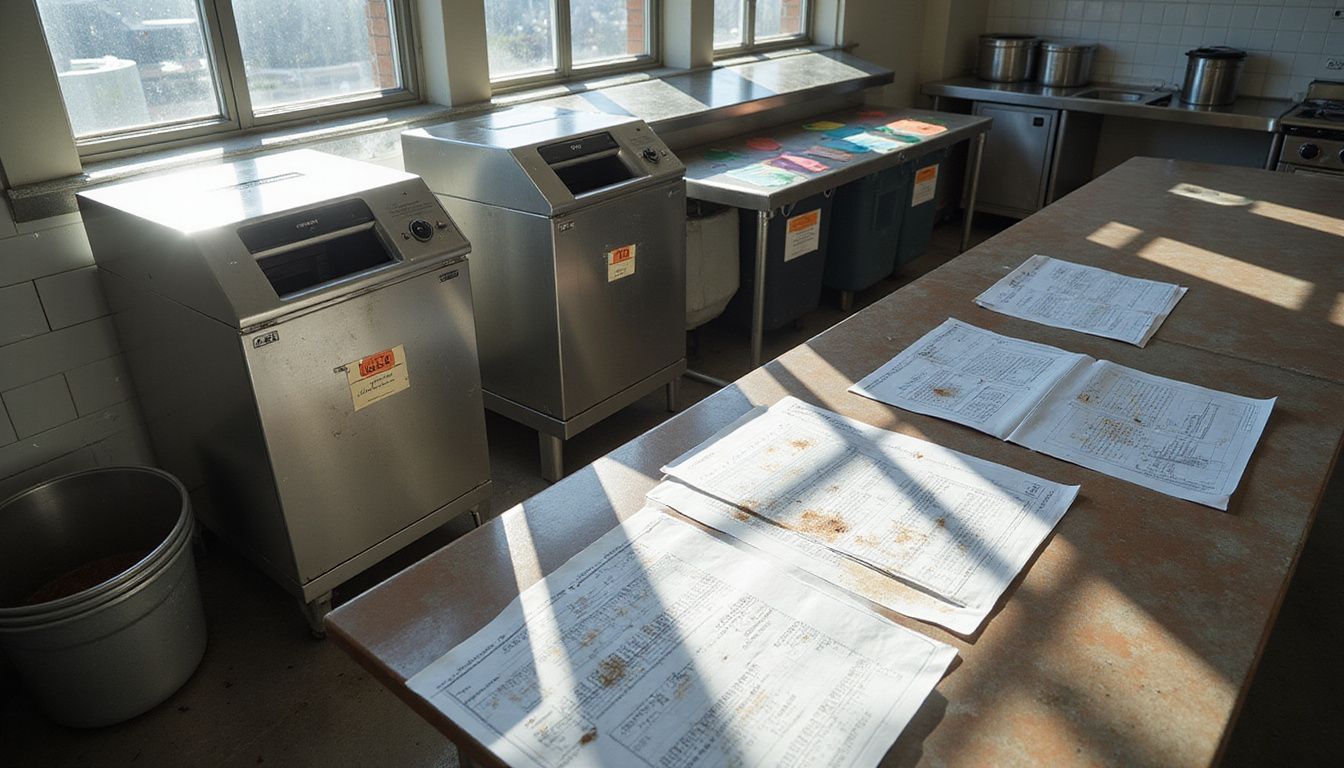
Your hotel’s specific needs will shape which system works best. Budget, available space, and how much food waste you generate each day all play major roles in the final call.
Budget and Infrastructure Requirements
On-site food digesters demand far less money upfront than biogas systems. Hotels with tight budgets like these compact machines because they need minimal infrastructure changes.
You skip expensive reactor installations, pre-processing equipment, and grid connection work. The machines fit existing spaces, so no costly renovations. Biogas systems, by contrast, require serious capital: de-packaging stations, effluent polishing equipment, and building permits that add up fast.
There’s a workaround, though. Providers like Vanguard Renewables offer a build-own-operate model that eliminates upfront costs entirely, shifting the financial risk from your hotel to the operator.
Space and utilities shape the decision too. Small hotels with limited square footage benefit from digesters that take up minimal room, while modular biogas designs like Weltec’s reduce long-term risk as waste volumes shift.
On the revenue side, rising D3 RIN credits (covered earlier in the energy section) help offset biogas system costs, and big data analytics tools let you track waste patterns to guide the investment. Before deciding, run the math: do tipping fee savings and energy credits justify the larger upfront expense that biogas demands?
Waste Volume and Composition
Your budget matters, but your waste volume and composition matter even more. Remember that 2,000-pound daily average? Your actual number shapes everything about your system choice.
A small boutique property might generate far less, while a large resort could double it. Your real output determines whether a compact on-site digester makes sense or whether you need the muscle of a biogas system. It’s like choosing between a home kitchen and a commercial one; both cook, but at very different scales.
Composition plays an equally big role:
- Pre-sorted, uncontaminated scraps work beautifully in on-site digesters; biogas systems handle messier, more varied streams.
- Fats, glycerine, and packaging all affect system performance and lifespan.
- Liquid-heavy waste suits high-rate reactors like Biothane’s, which process wet streams efficiently.
- Waste below 15% total solids needs wet digestion (UASB or CSTR with liquid mixing); above 15% calls for high-solids or dry digestion systems.
Seasonal swings deserve attention too. Summer tourism spikes create different waste patterns than winter months. Multi-hotel or campus properties can pool waste for centralized biogas processing, turning a scattered problem into a concentrated solution.
One practical next step: check the EPA’s Excess Food Opportunities Map. According to the EPA’s documentation for the map, it tracks over 960,000 potential commercial and institutional excess food generators (hotels included) and nearly 15,000 potential recipients, such as composting sites and anaerobic digestion facilities. That means you can search your own region and find processing partners near your property before you commit to anything.
Sustainability Goals of the Property
Your hotel’s sustainability goals shape which system fits. Properties chasing zero-waste certification need fast, visible results, and on-site digesters deliver quick wins by cutting food waste right where it happens.
Biogas systems serve hotels with aggressive renewable energy goals instead. They transform waste into renewable natural gas that powers facilities and feeds low-carbon fuel programs.
Location matters as well. If your property sits in one of the dozen mandate states, the choice becomes less about preference and more about compliance.
Each path carries its own perks. On-site digesters create compost and recyclables you can resell or reuse. Biogas systems open doors to renewable fuel participation and carbon credit programs, and the D3 RINs framework helps track progress across environmental metrics. Some properties even use these systems to create sustainability jobs that strengthen community ties.
The question underneath it all: do you want immediate waste reduction, or long-term energy independence?
Conclusion
So, which one wins? It comes down to your hotel’s needs, budget, and food waste volume.
On-site aerobic digesters work fast, cut waste by up to 52%, and fit into tight spaces. That makes them perfect for properties with limited room and modest waste streams.
Biogas systems generate real energy from your scraps through anaerobic digestion while handling much larger volumes. They appeal to hotels serious about renewable energy targets and shrinking carbon footprints.
Leading properties are already winning by combining waste reduction, composting, and energy generation into zero-waste programs that save money and boost their green credentials.
Whatever path you choose, the real victory is the same: stop sending thousands of pounds of food waste to the landfill each day, and start running a smarter, more sustainable operation.
FAQs
1. What is the main difference between a food digester and a biogas system?
A food digester breaks down food scraps on-site, typically turning them into grey water in about 24 hours. A biogas system captures methane from the waste and converts it into usable energy like electricity or heat.
2. Which option costs less for a hotel?
Food digesters usually win on price, with lower upfront costs and simple installation. Biogas systems typically cost three to five times more upfront, though the energy savings can pay you back over time.
3. Do biogas systems make sense for smaller properties?
Usually not, since biogas systems typically need at least 500 to 1,000 pounds of food waste per day to run efficiently. A boutique inn or small resort is often better off with a compact digester.
4. Which choice is better for a hotel’s sustainability goals?
Both can divert 80% or more of your food waste from landfills, so you can’t really go wrong. If you want renewable energy and a bold green story for guests, biogas takes the crown. If you want something simple that fits in the kitchen, a digester is your friend.

On-Site Food Digesters vs. Biogas Systems: Which Is Better for Hotels and Hospitality?
Spread the loveHave you ever watched the bins pile up behind your hotel kitchen and wondered where all that money is going? Spoiled ingredients, plate scraps, and prep waste add up fast. And you pay steep fees to haul it all to the landfill. Here’s a number that surprised me the first time I saw […]
On-Site Food Digesters vs. Biogas Systems: Which Is Better for Hotels and Hospitality?
Spread the loveHave you ever watched the bins pile up behind your hotel kitchen and wondered where all that money is going? Spoiled ingredients, plate scraps, and prep waste add up fast. And you pay steep fees to haul it all to the landfill. Here’s a number that surprised me the first time I saw […]

Using the Commercial Insurance Renewal Process to Get the Best Cover and Deals
Initiating your commercial insurance renewal process early provides opportunities to negotiate terms, ensure coverage aligns with your business’s evolving needs, and explore competitive quotes. This proactive approach can protect against premium increases and coverage gaps, ultimately helping to secure the best deals for your business…

10 Ways to Avoid Wastage of Food
Discover how cutting food waste can save your family up to $1,500 annually. Learn key strategies for meal planning, proper storage, and understanding expiration labels. Implement these tips to keep your kitchen organized and your wallet full while reducing your environmental footprint…