
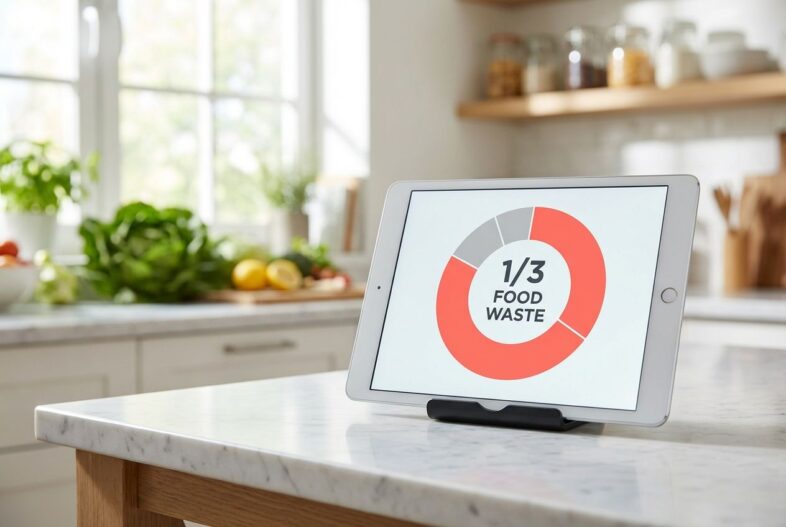
Food waste is a problem that affects many homes every day. Around one-third of all food made for people goes to landfill, adding to costs and harming the planet. This blog will share ten easy ways you can cut food wastage and support diversion from landfill efforts, in line with goals like the COP26 Methane Pledge.
Find out how small changes can make a big impact—keep reading!
Key Takeaways
- Around one-third of food meant for people ends up as waste, which raises costs and harms the planet (COP26 Methane Pledge reference).
- Plan meals ahead, make a shopping list, and store food properly to reduce waste at home.
- Use leftovers in creative ways like soups or salads; freeze extra food and check expiry dates often to avoid spoilage.
- Donate surplus food to local charities or compost scraps instead of throwing them away; this helps others and cuts landfill rubbish.
- Support local farmers for fresher produce with less transport waste; learning about smart shopping can stop more food from being wasted.
Plan Your Meals in Advance
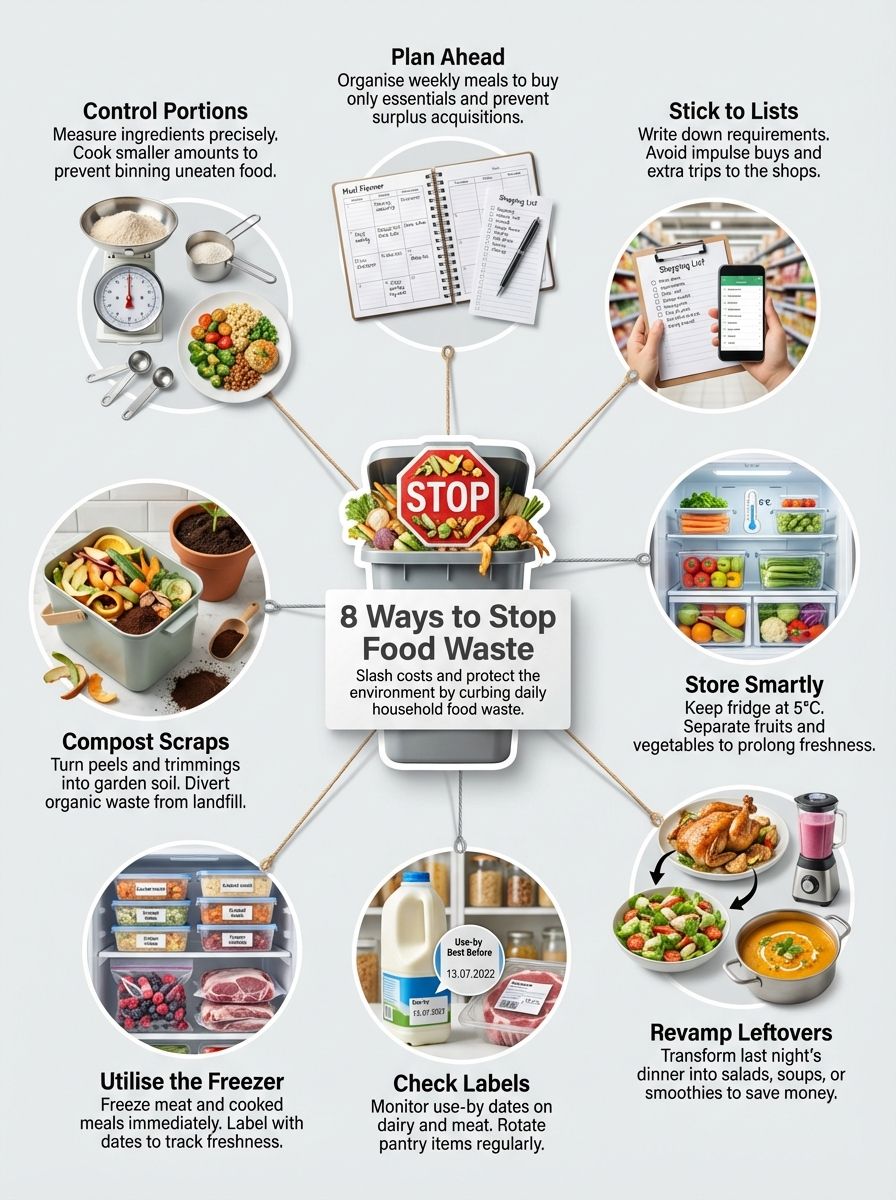
Organising your meals ahead of time is an effective strategy to minimise food waste. It aids in purchasing just what is required, preventing surplus acquisitions that could end up as waste. Here are some methods you can employ to achieve it:
- Inspect your weekly calendar. Ascertain the days you’ll dine at home and the days you might dine outside.
- Finalise the meals you wish to prepare in advance. Opt for recipes that are both enjoyable and suitable for your timetable.
- Draft an inventory of ingredients required for these meals. Verify your refrigerator and pantry to prevent duplicate purchases.
- Contemplate how leftover dinners could be the next day’s lunch.
- Ponder over group cooking. This involves creating sizable portions of dishes that preserve well, such as soups or casseroles, for later use.
- Strategise for diversity to maintain interest and ensure a spread of nutrients.
- Deploy apps or tools for meal scheduling if it simplifies the process. Some apps provide recipe ideas and create shopping lists influenced by your meal plan.
- Maintain adaptability with your plan; it’s acceptable to interchange days based on your preference.
This method aids in saving money by minimising waste and also alleviates the everyday pressure of deciding what to prepare.


Make a Shopping List and Stick to It
Making a shopping list before heading to the supermarket is a smart move. It saves time, money, and reduces food waste. Here’s how you can make it work:
- Write down your meals for the week. This helps you know exactly what ingredients you need.
- Check what you already have at home. Look in your fridge, freezer, and cupboards to avoid buying what you don’t need.
- Be specific in your list about quantities. If a recipe needs two tomatoes, write ‘two tomatoes’ on your list.
- Group items by type or store section. List all vegetables together; do the same for dairy, meats, and other groceries.
- Use technology to help you stick to your list. Mobile apps for making lists are handy and ensure you always have your list with you.
- Avoid shopping when hungry. Hunger can lead to impulse buys that aren’t on your list.
- Set a budget for each shopping trip based on your list. Knowing how much you plan to spend keeps unnecessary purchases in check.
- Include healthy snacks in your list too; this will prevent off-the-list buys when craving something quick to eat.
- Leave some flexibility for seasonal produce or sales, but only if they fit into your meal plans.
Using a shopping list reduces trips back to the store for forgotten items, saving fuel and time as well as food waste by purchasing only what gets used during the week ahead.
Store Food Properly to Increase Shelf Life
Storing food the right way can keep it fresh for longer. This helps you save money and cuts down on waste. Here’s how to do it:
- Keep fruit and vegetables in separate drawers in the fridge. Fruit give off natural gases that can make vegetables spoil faster.
- Don’t wash fruit and berries until you’re ready to eat them. Moisture encourages mould growth.
- Store milk and eggs on shelves inside the fridge, not in the door. Temperatures fluctuate more in the door, which can spoil these items quicker.
- Use airtight containers for leftovers or open packages of food. This keeps air out and freshness in.
- Wrap cheese loosely in wax paper instead of plastic wrap before putting it in an airtight container. Wax paper lets cheese breathe without drying out.
- Freeze bread you won’t eat within a few days to prevent mould. Thaw it as you need it.
- Keep potatoes, onions, and garlic in a cool, dark place but not together; they last longer this way.
- Check your fridge’s temperature setting; it should be at or below 5°C for optimal freshness.
- Store nuts and grains in airtight containers in your fridge or freezer if you’re keeping them for more than a month; this stops them from becoming rancid.
- Use freezer bags to freeze meat, fish, and poultry if you won’t use them within a couple of days after purchase.
Each of these methods is aimed at preserving your food’s shelf life while maintaining its quality; making sure nothing goes to waste unnecessarily.
Use Leftovers Creatively
Leftovers can be a treasure. They save time and money. Instead of tossing them, think of fun ways to use them. You can turn leftover chicken into a tasty salad or soup. Get creative! Mix old veggies with rice for a stir-fry, or blend fruit into smoothies.
Cooking new meals from leftovers reduces waste and helps you stretch your budget. Try making frittatas with eggs and any remaining vegetables you have; they make a great breakfast or lunch option! Experimenting adds variety to your meals.

Waste is simply the absence of creativity.
Check Expiry Dates Regularly
Expiry dates matter. They tell us when food is safe to eat. Check these dates often, especially on perishable items like dairy and meat. Some people might ignore them, thinking the food is fine past the date.
However, this can lead to health risks.
Keep an eye on canned goods too; they can last longer but may still spoil after time. Always rotate your pantry items—put newer things in the back and older ones at the front. This simple habit helps you use what you have before it goes bad, cutting down on food waste and saving money in the process!
Freeze Excess Food for Later Use
Freezing food is a clever way to save what you don’t consume immediately. It keeps dishes fresh and enjoyable for weeks or months. You can freeze fruits, vegetables, meat, and even cooked meals.
Just use airtight containers or freezer bags to prevent freezer burn.
Label your items with the date before freezing them. This helps you keep track of what needs using up first. Thaw frozen food in the fridge overnight for safety; this maintains its safety and preserves flavour.
Freezing prevents waste and saves time on busy days when cooking might feel challenging.
Donate Surplus Food to Those in Need
Surplus food can assist many people. Donating it is a great way to reduce waste and provide meals for those who face hunger. Local charities, food banks, and shelters often welcome donations of excess food.
They distribute these items to families in need within your community.
Many organisations also simplify the process. You can check their websites for guidelines on what they accept. Some even arrange pickups right from your door. Giving surplus food not only helps others but makes you feel good too! It’s a small act that has a significant impact on lives around you.
Compost Food Scraps Instead of Discarding Them
Composting food scraps is a smart way to reduce waste. Instead of throwing away fruit peels, vegetable trimmings, or stale bread, put them in a compost bin. This process turns organic waste into rich soil for your garden.
Compost helps plants grow strong and healthy. It also cuts down on landfill rubbish. A single household can create dozens of kilograms of compost each year from scraps alone. It’s an easy step towards sustainability and a great way to give back to the earth!
Practice Portion Control When Cooking
Cooking can lead to waste if portions are too large. Many people cook more than they need. This causes extra food that often ends up in the bin. To solve this, practise portion control.
Start by measuring ingredients for meals. Use cups or scales to ensure you have just enough for everyone at the table. You might want to check serving sizes on packages as a guide.
Adjust your recipes based on how many people will eat. Smaller servings mean less waste and happier plates!
Educate Yourself and Others About Food Waste
Food waste is a big problem. Learning about it helps us understand why it matters. Start by reading books or articles on food waste. You can also watch videos that show the impact of wasting food on our planet.
Share what you learn with friends and family. Talk about how each person can make a difference.
Join groups focused on reducing food waste in your community. These groups often share tips and ideas for saving food at home. Schools may offer workshops too, teaching kids about smart shopping and meal planning.
Engaging others creates awareness, which helps everyone do better in avoiding food waste together.
Support Local Farmers and Sustainable Practices
Supporting local farmers helps reduce food waste. Buying from them means you get fresh produce that lasts longer. Local farms often use sustainable practices. This means they care for the land while providing healthy food.
Choosing locally grown items cuts down on transport waste. It also boosts your community’s economy. Get to know nearby markets or farm stores, and enjoy seasonal fruits and vegetables.
Look for organic options too; they are good for both your health and the planet’s health. Supporting these farmers has a big impact—small choices make a real difference!
Conclusion
Food waste is a big problem. We can all help by making small changes. Plan meals, use leftovers, and check expiry dates. Store food right to keep it fresh longer. Supporting local farmers helps too; their practices are often better for the earth.
Together, we can make a difference and enjoy our food more!
FAQs
1. What are the most effective ways to avoid food waste at home?
Plan your meals before shopping, use a list, and stick to it. Store leftovers in clear containers so you see them easily. Check expiry dates often and rotate items in your pantry.
2. Do best-before dates mean food must be thrown away after that day?
No, many foods are still safe past their best-before date if they look and smell fine. Use your senses first; trust what you see or smell over the printed date.
3. How can portion control help reduce wastage of food?
Serve smaller portions at mealtimes. People can always take more if they are hungry, but uneaten food on plates usually goes straight into the bin.
4. Is composting leftover scraps an effective way to manage unavoidable waste?
Yes, composting turns peels and trimmings into valuable soil for gardens instead of sending them to landfill sites where they rot without purpose. This keeps useful nutrients cycling back into nature’s system rather than being lost forever.

10 Ways to Avoid Wastage of Food
Discover how cutting food waste can save your family up to $1,500 annually. Learn key strategies for meal planning, proper storage, and understanding expiration labels. Implement these tips to keep your kitchen organized and your wallet full while reducing your environmental footprint…

Harnessing the Potential of Organic Fertilisers in Italian Agriculture
Spread the loveUsing Organic Fertilisers to their Full Potential in Italy’s Farms Nitrogen is a crucial element in agriculture, playing a vital role in plant growth and development. Italy, with its rich agricultural heritage and commitment to sustainable farming practices, has immense potential for the use of organic fertilisers in agriculture. Organic fertilisers, derived from […]
Greening Your Waste – How Food Waste Processing Equipment is Leading the Change
Spread the loveFind out how food waste processing equipment is leading the change to sustainable food waste processing and greening your waste. It is a hidden secret that the waste treatment technology in food waste treatment equipment and residual municipal waste equipment is very important. First, just think how much waste food these machines have to process! […]

What is a Food Waste Depackager and Separator?
Spread the love A food waste depackager and separator is a device or machine used to unpack and separate the organic part of food waste from everything else. The most beneficial option for the disposal of the organic content thereafter is to an anaerobic digestion facility. At that plant, it is used to make biogas, […]
